By James Batten, 299 Lighting · Published · Updated
In short
Clear glass shows the bulb and sparkles, opal glass gives soft glare-free light, smoked and amber glass add colour and warmth but reduce output, and hand-blown glass gives each shade small natural variations.
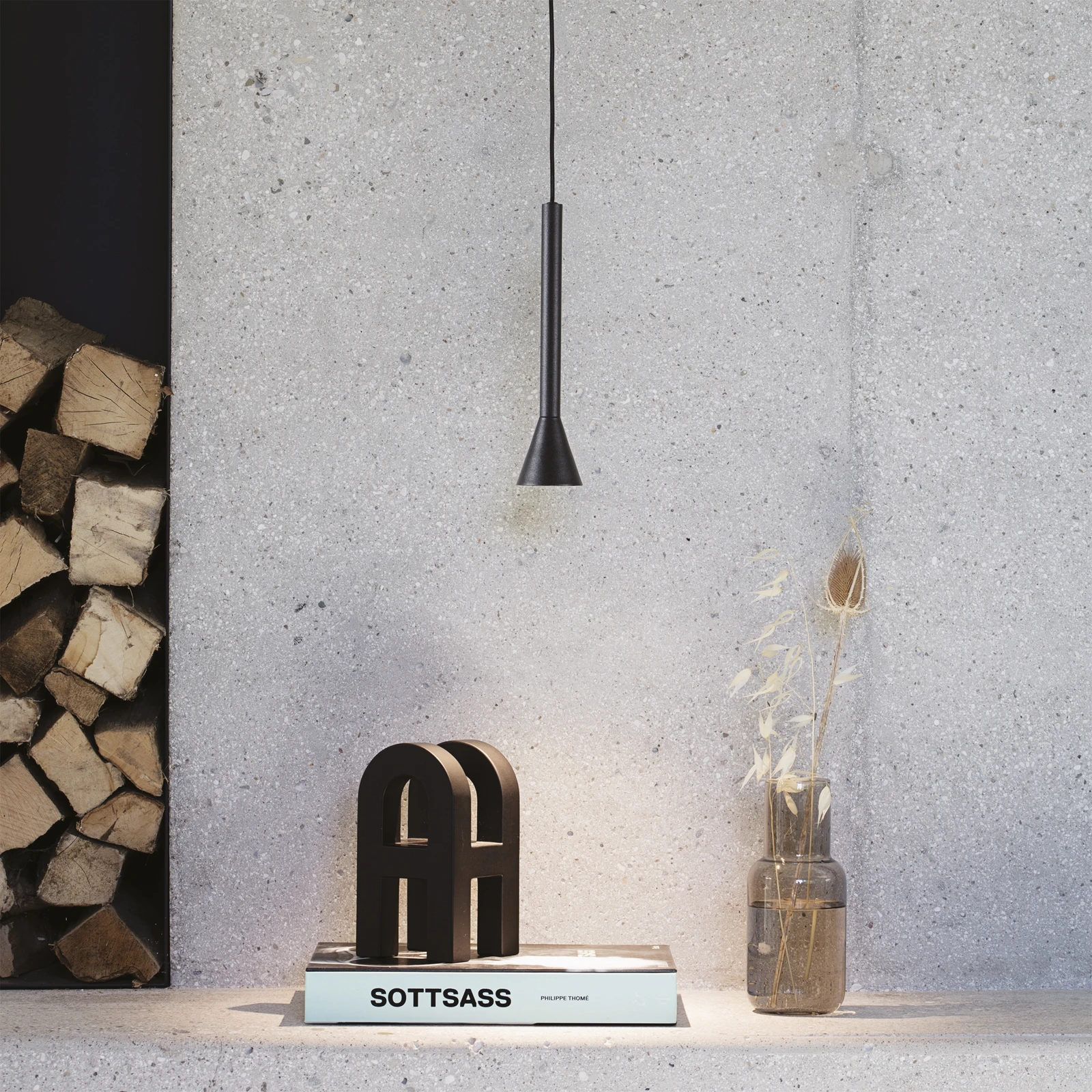
Glass is the most popular material in decorative lighting, and the type of glass changes the light more than the shape does. Here is how each finish behaves once it is switched on.
Clear glass
Clear shades are light and elegant, and they let the bulb become part of the design. Because you see the source, pair them with a decorative filament or globe bulb. They give the most light per watt, but can glare at eye level.
Opal and frosted glass
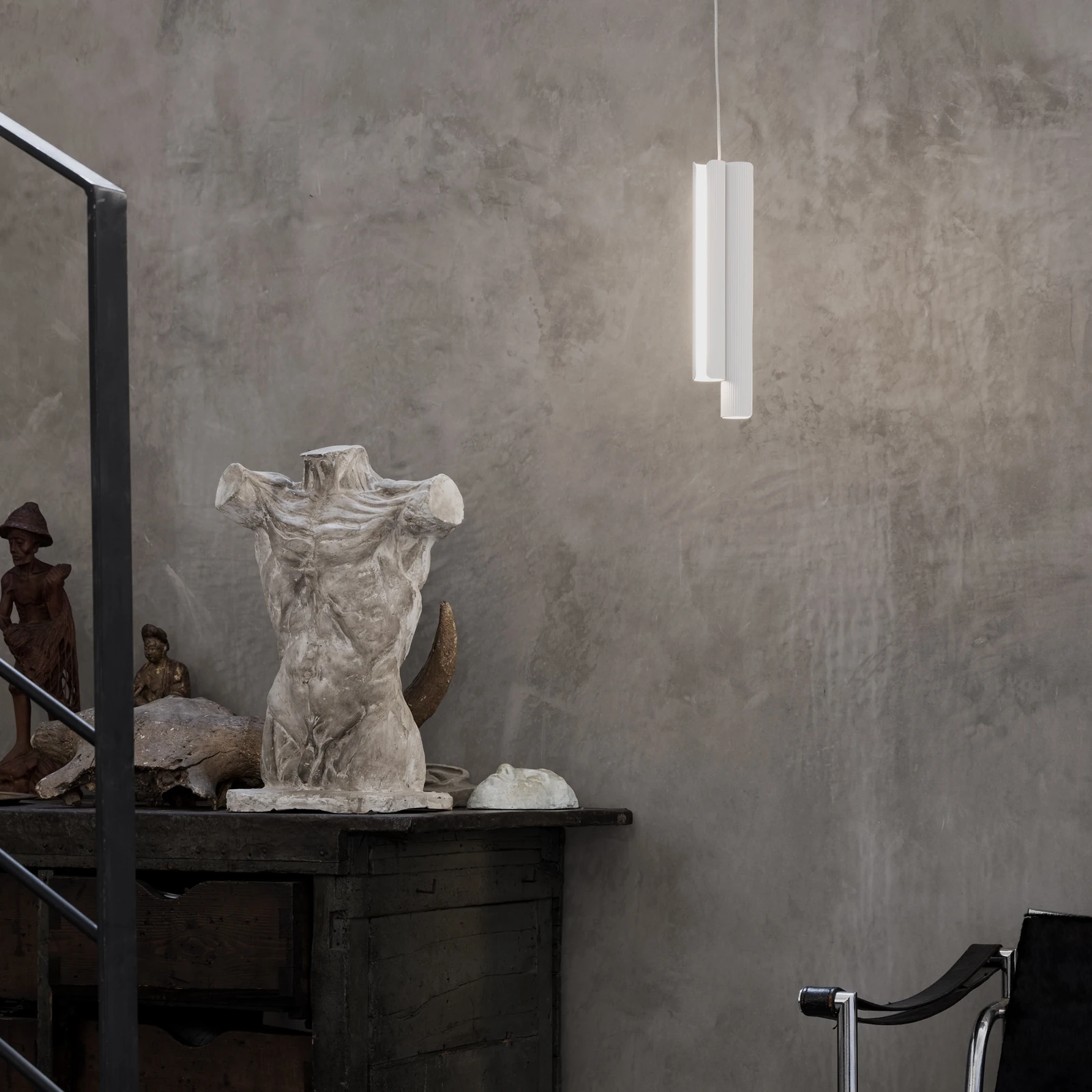
Opal (milky white) glass diffuses the light evenly, so there is no bright spot. It is the best choice for ceiling lights, bathrooms and anywhere you might look straight at the fitting. Expect some light loss compared with clear glass, so use a slightly brighter lamp.
Smoked, amber and coloured glass
Smoked grey and amber glass look striking switched off and give a warm, dimmed glow switched on. They can cut light output noticeably, so use them as mood or feature lighting and add other sources for tasks.
Blown and textured glass
Hand-blown glass has small bubbles and slight shape differences, which is a sign of the process, not a defect. Ribbed, fluted and textured glass breaks up the light and adds sparkle. Browse Ideal Lux glass pendants and use the Glass filter on all fittings.
Crystal
Crystal and cut glass refract light into small rainbows. It needs a clear, bright point source to sparkle; diffused bulbs make crystal look flat. See our chandelier size guide.
Cleaning and care
Clean glass with a soft cloth and mild soapy water once the fitting is cool and switched off. Avoid abrasive cleaners on coloured or coated glass.
Specifying for projects
For hospitality and residential projects, we can supply samples so you can see the glass in your space before ordering. Request samples from 299 Lighting.
Frequently asked questions
Which glass gives the most light?
Clear glass gives the most output; opal is slightly less but far more comfortable; smoked and amber give the least.
Is opal glass good for bathrooms?
Yes. It hides the lamp and spreads light evenly, which suits mirrors and ceilings. Check the IP rating too.
Why does my blown glass shade have bubbles?
Small bubbles and variations are a natural result of hand-blowing and make each shade unique.