Guides & advice
Lighting guides.
31 practical guides from the 299 Lighting team, who have been designing and supplying lighting since 2009. Sizes, heights, ratings and bulbs, explained simply, with fittings to match.

Latest guide · Styles
Art Deco Lighting: How to Get the Look
How to bring Art Deco style into your home with lighting: brass, glass and crystal, geometric shapes, warm light and how to avoid pastiche.
Read the guide →Rooms around the home

Living rooms · 7 min read
How to Light a Living Room: Layering Ceiling, Wall and Lamp Light
Light a living room in three layers: a soft ceiling light for general light, wall lights or lamps at eye level for atmosphere, and a focused lamp where you read, all on separate switches or dimmers.
Read the guide →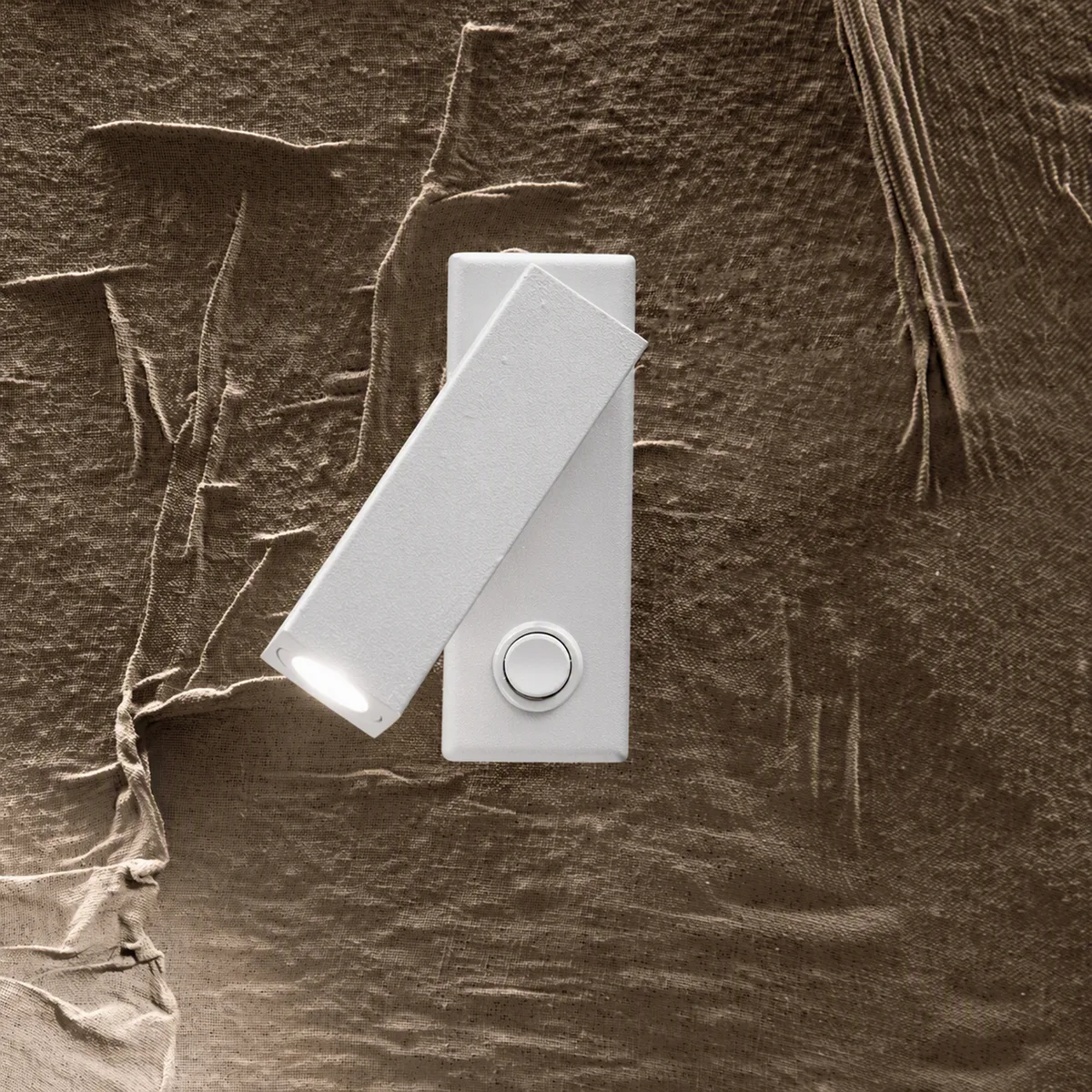
Bedrooms · 6 min read
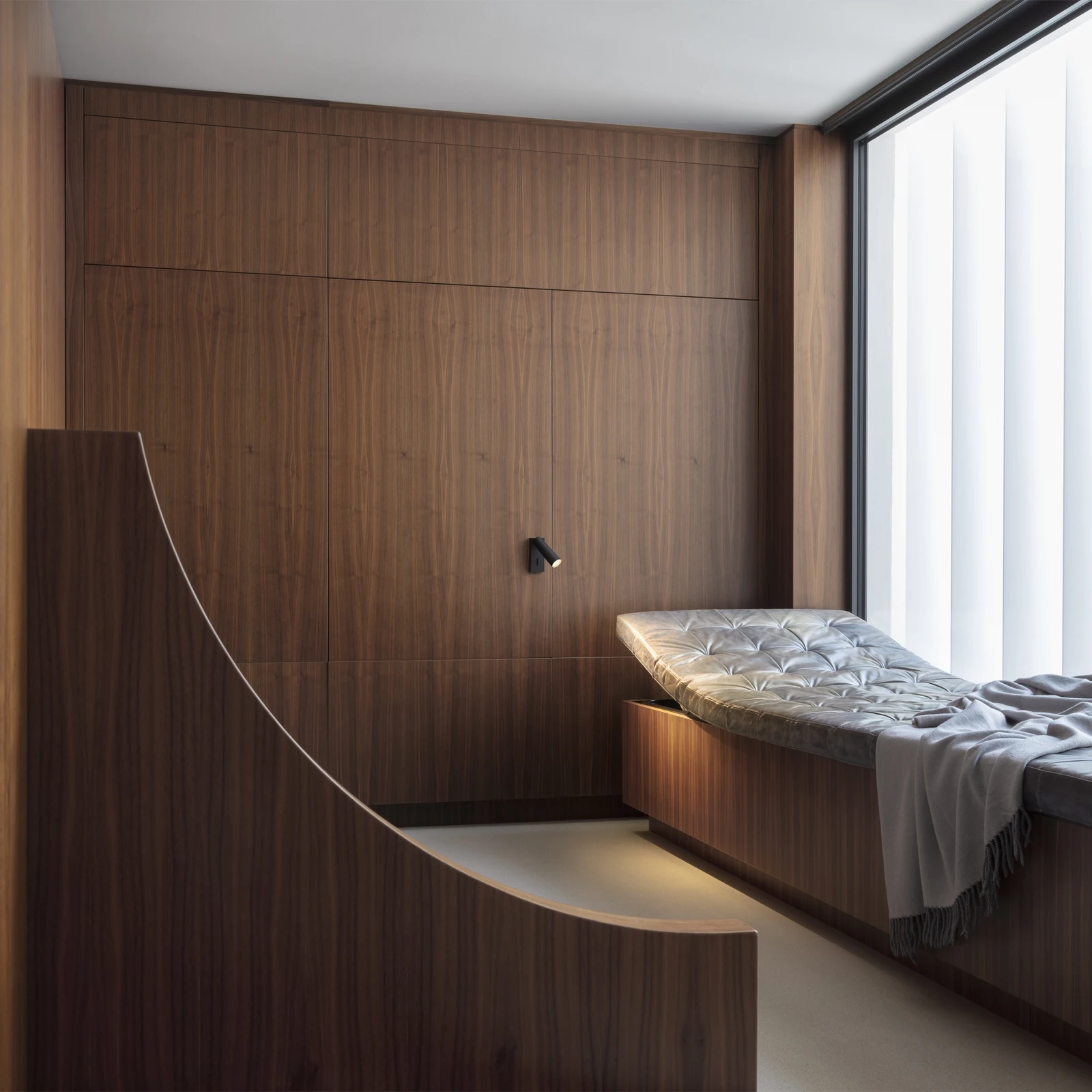
Bedroom Lighting: Bedside Wall Lights, Reading Lights and Ceiling Lights
In a bedroom use a soft dimmable ceiling light, bedside wall lights mounted 120–140 cm from the floor (or 60–75 cm above the mattress), and a separate directional reading light if you read in bed.
Read the guide →
Hallways · 5 min read
Hallway and Staircase Lighting: Spacing, Height and Safety
Light hallways with ceiling fittings every 2.5–3 m (or one central fitting under 4 m long), add wall lights at around 1.8 m to make narrow spaces feel wider, and light every stair tread or landing so there are no dark steps.
Read the guide →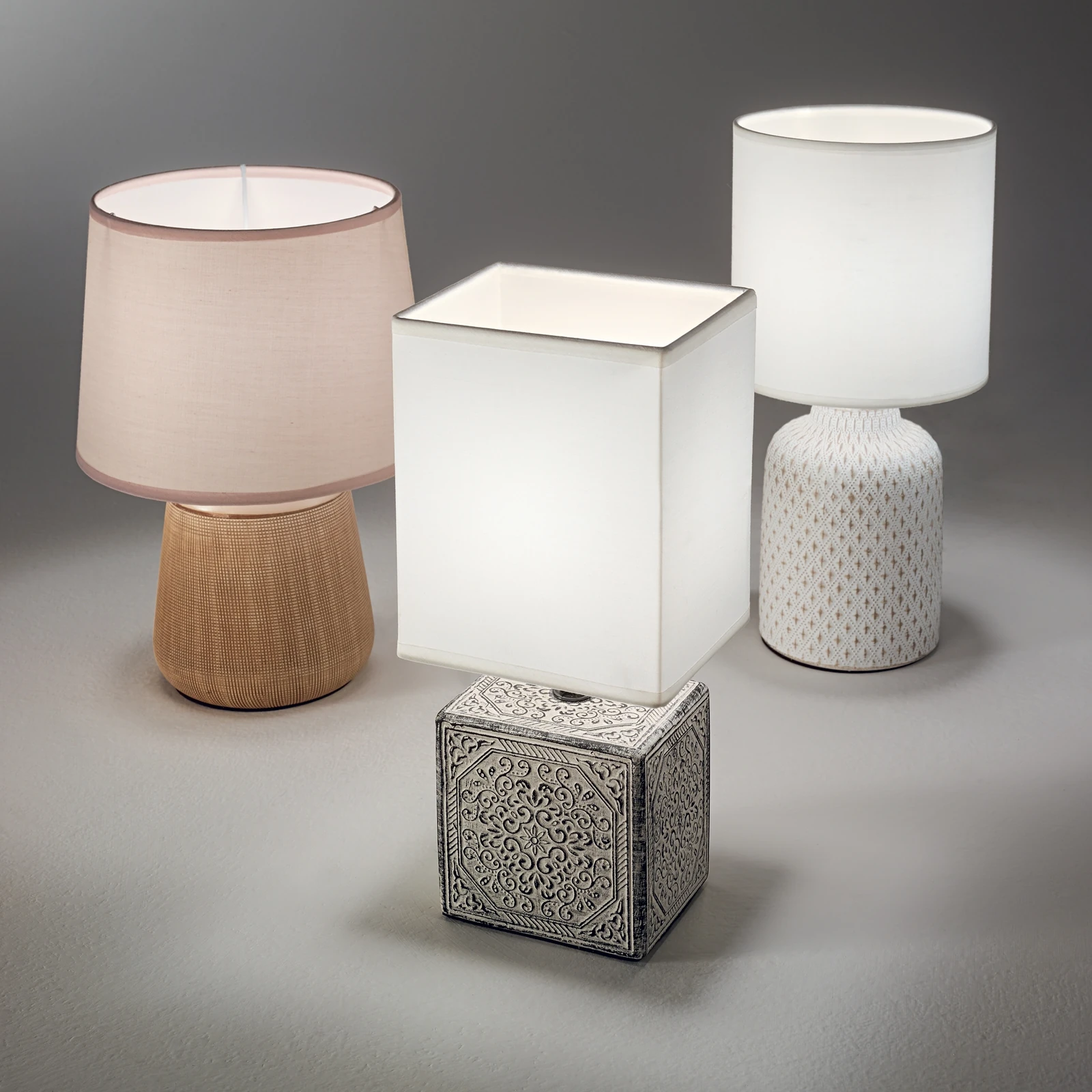
Home office · 5 min read
Home Office Lighting: Reduce Glare and Eye Strain
Light a home office with soft general light, a desk lamp to the side of your non-writing hand, no bright light behind or directly in front of the screen, and 3000–4000K light for focus during the day.
Read the guide →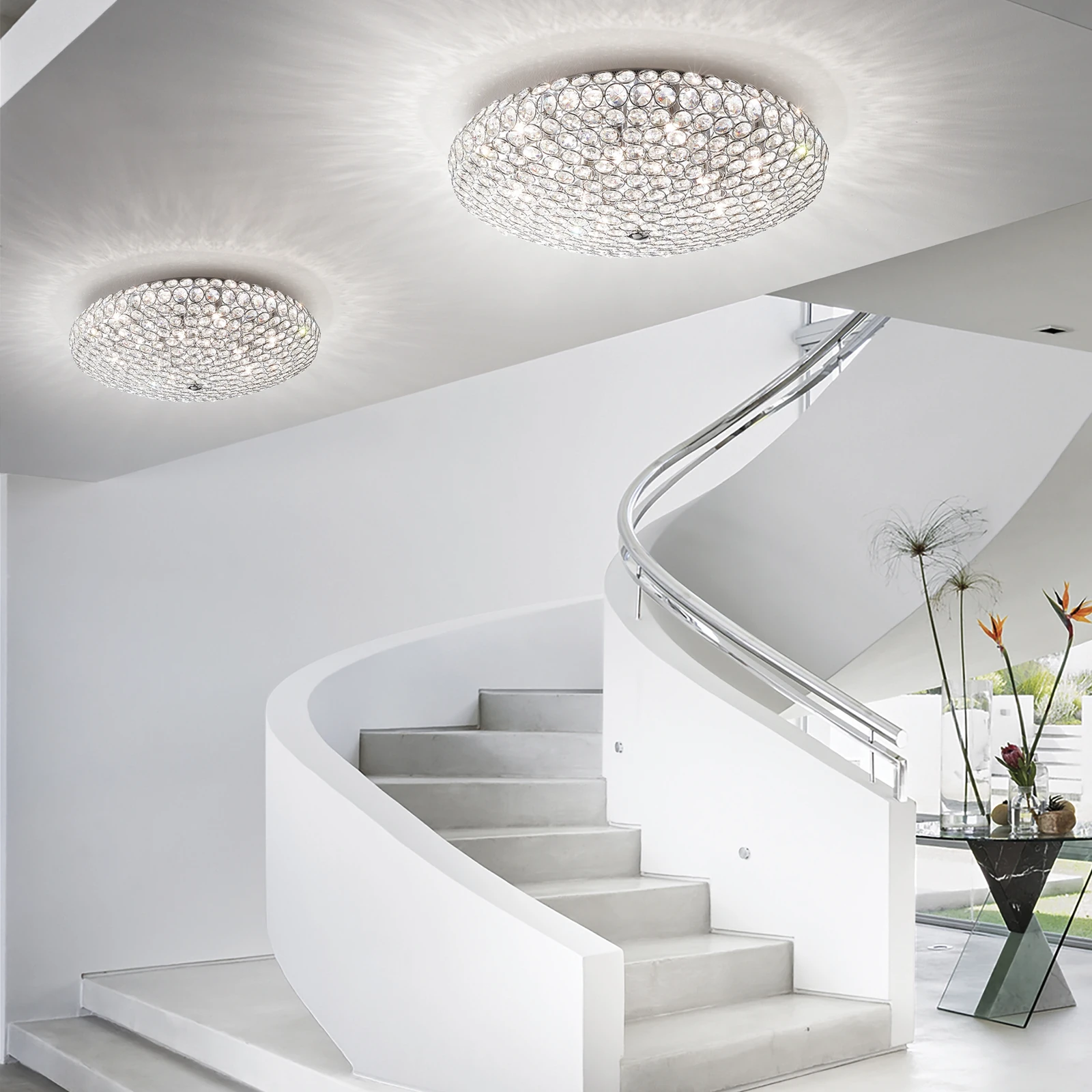
Living rooms · 6 min read
Ceiling Lights: How to Choose One That Isn't Harsh
Big light or lamps? How to choose a ceiling light that is soft, not harsh: glass diffusers, sizes, bulbs, dimming and when to use flush fittings.
Read the guide →Pendants, chandeliers & lamps

Pendants · 6 min read
How to Choose Pendant Lights for a Kitchen Island
Choose one pendant per 60–80 cm of island, hang it 75–85 cm above the worktop, and pick a shade that throws light down rather than glare across the room.
Read the guide →
Chandeliers · 5 min read
Chandelier Size Guide: How Big Should Your Chandelier Be?
Add the room's length and width in metres and multiply by 10 to get a good chandelier diameter in centimetres; over a dining table, aim for half to two-thirds of the table width.
Read the guide →
Lamps · 5 min read
Floor and Table Lamps: Size, Height and Where to Put Them
Choose a table lamp whose shade bottom sits at eye level when seated (about 100–110 cm from the floor), place floor lamps beside or slightly behind seating, and use lamps to light corners the ceiling light misses.
Read the guide →
Pendants · 5 min read
Pendant Clusters and Multi-Drop Ceiling Roses: How to Plan Them
A pendant cluster hangs several pendants from one wide ceiling rose; plan three to seven drops at staggered heights, keep the lowest at least 2.1 m above the floor (or 75 cm above a table), and use a rose sized for the number of cables.
Read the guide →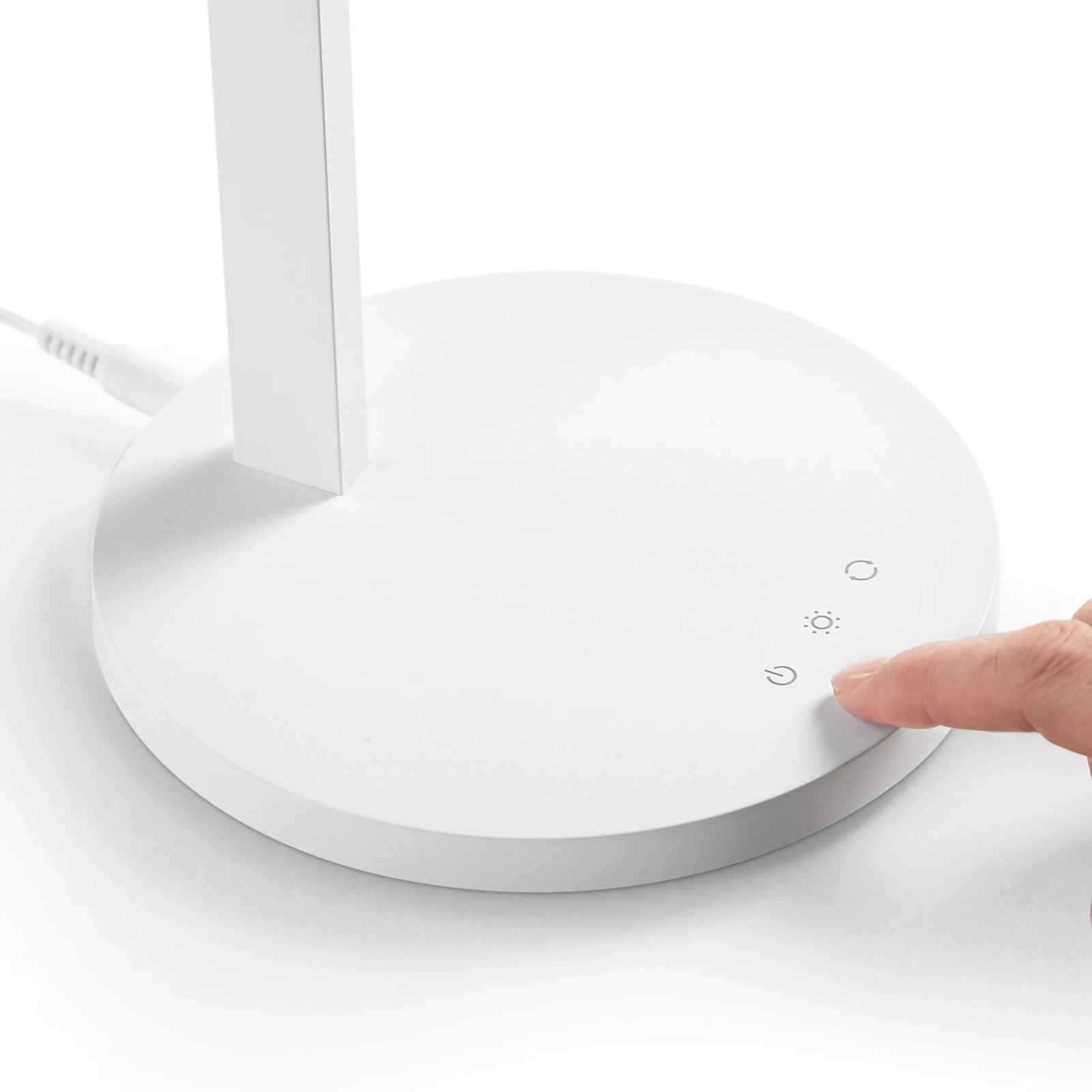
Lamps · 5 min read
Cosy Autumn Lighting: Lamps, Warm Bulbs and Running Costs
For cosy autumn evenings, switch off the big light and use warm 2700K table and floor lamps on dimmers. LED lamps cost little to run.
Read the guide →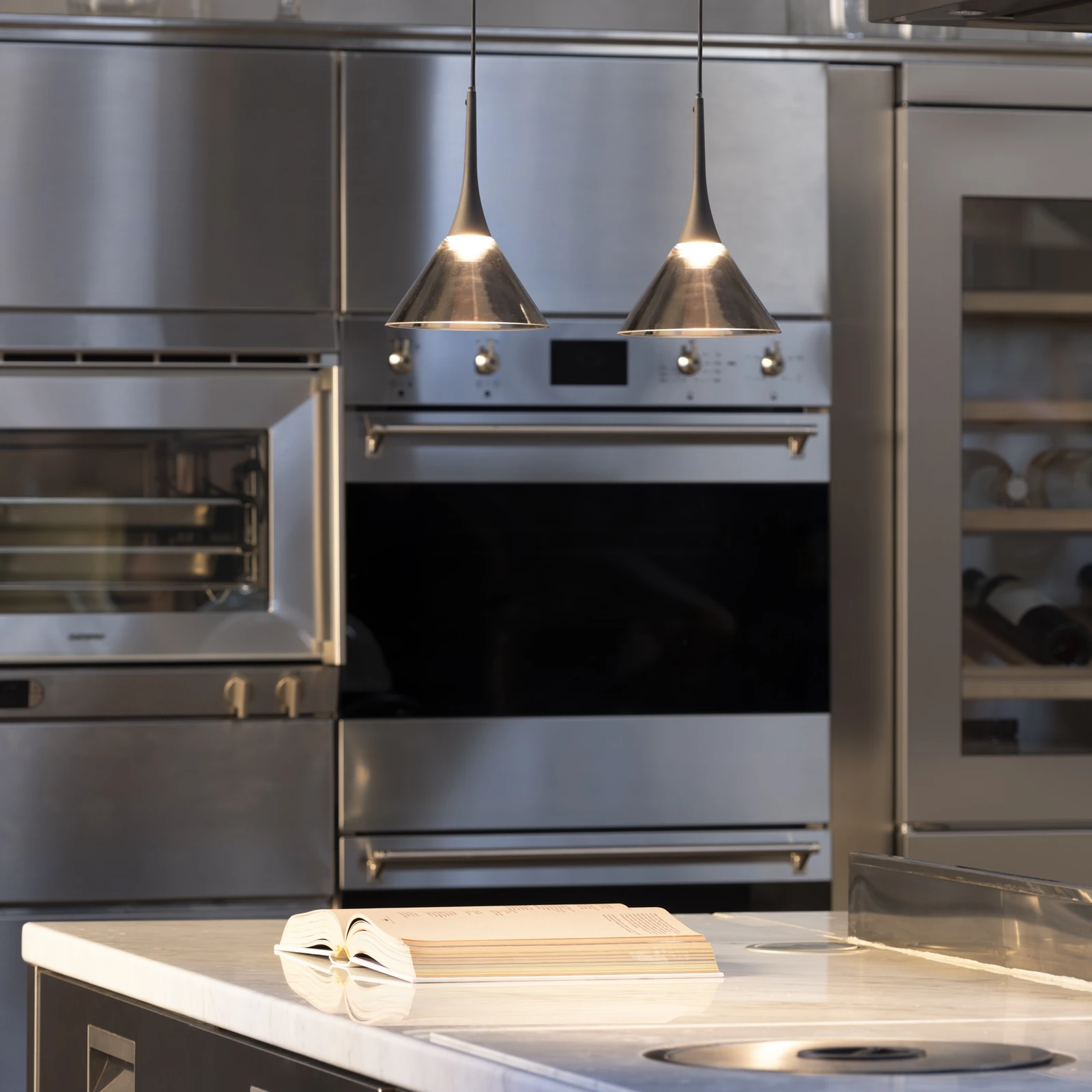
Pendants · 5 min read
Dining Table Pendant Lighting: Size, Height and Style
Hang dining pendants about 75 cm above the table, size them to roughly half to two-thirds of its width, and add warm wall or lamp light.
Read the guide →
Lamps · 6 min read
Fabric Lampshades: How to Choose Shades for Every Room
How to choose fabric lampshades for table lamps, floor lamps, wall lights and chandeliers: colour, light, bulbs and where fabric works best at home.
Read the guide →
Lamps · 6 min read
Christmas Lighting at Home: Lamps, Chandeliers and Glow
How to light your home for Christmas: layering lamps, chandeliers and wall lights with fairy lights, warm white bulbs, dimming and safety tips.
Read the guide →Bathrooms, outdoor & gardens

Wall · 6 min read
Bathroom Lighting IP Ratings Explained (UK Zones)
In UK bathrooms, fittings in Zone 1 above the bath or shower and Zone 2 within 60 cm need at least IPX4 (IP44 in practice); IP65 is often chosen over showers. Outside the zones, IP20 is allowed.
Read the guide →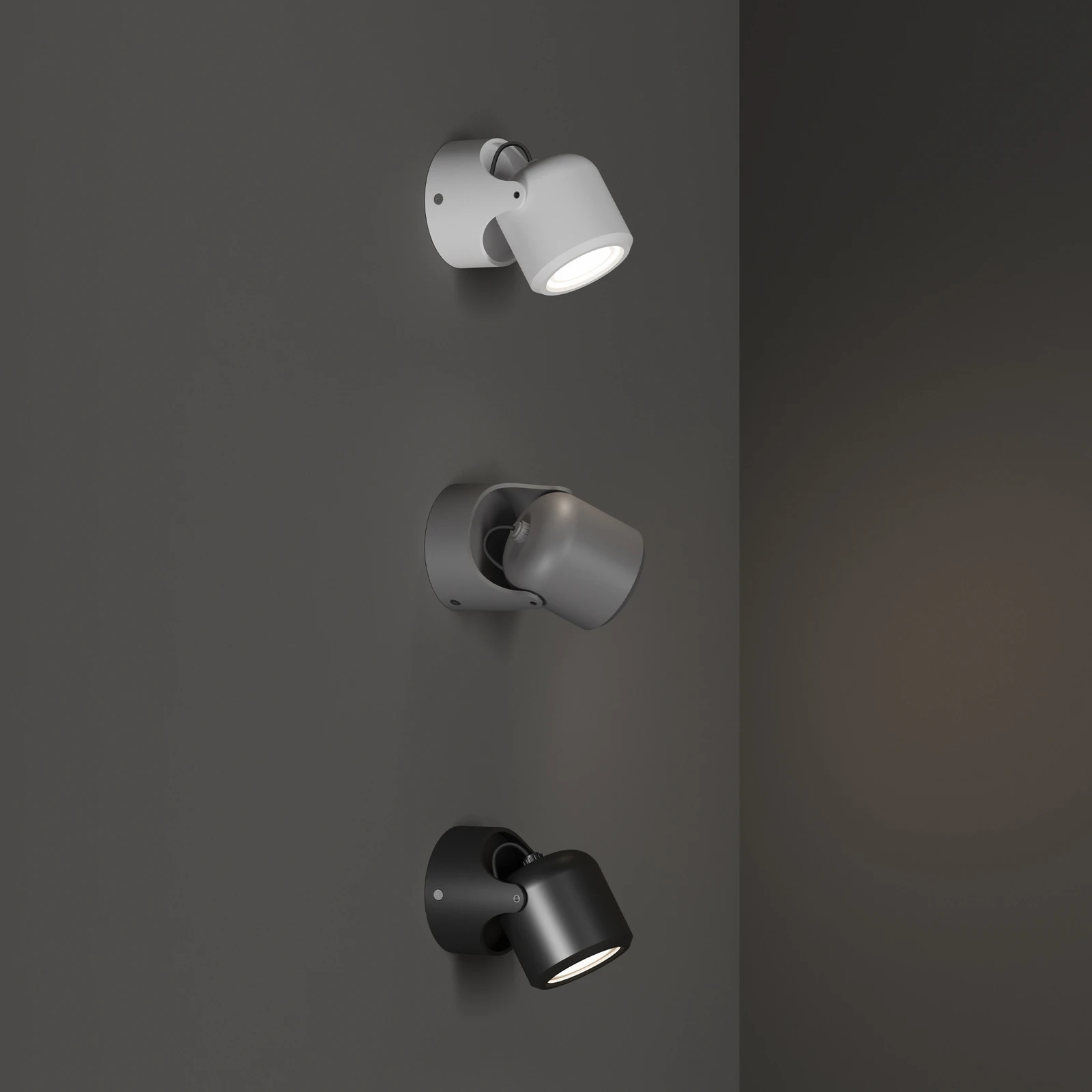
Outdoor · 5 min read
Outdoor Wall Lights: Choosing IP Rating, Finish and Light Output
For outdoor wall lights in the UK choose IP44 or higher, a finish that suits coastal or city air, warm 2700–3000K light, and roughly 400–800 lumens per entrance light.
Read the guide →
Gardens · 6 min read
Garden Lighting: Paths, Bollards, Spike Lights and Wall Lights
Light a garden in zones: wall lights at doors, bollards or low path lights every 2–3 m along walkways, spike lights to uplight trees and planting, and keep everything IP44 or above with warm 2700–3000K light.
Read the guide →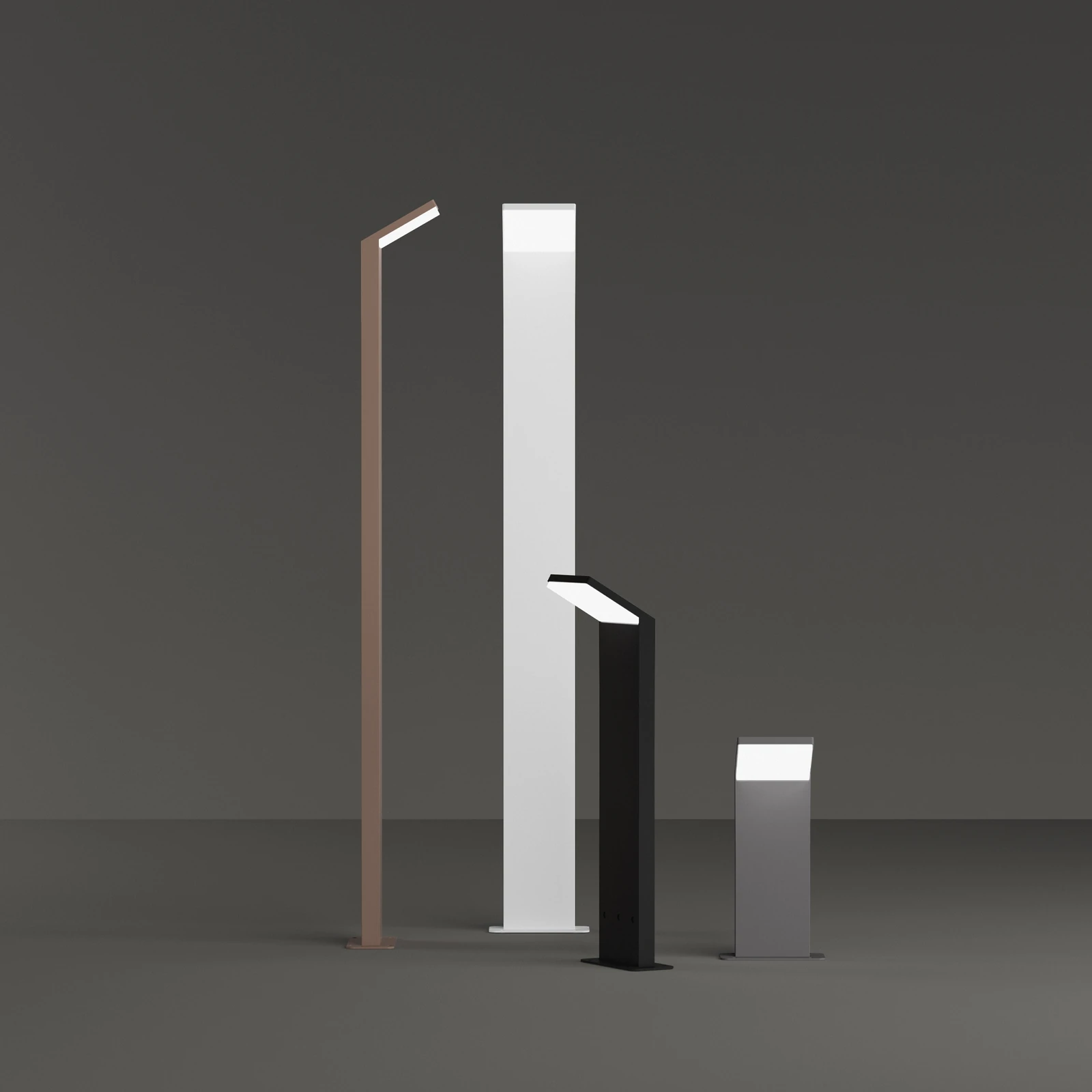
Outdoor · 5 min read
Bollard Light Spacing and Height: How to Plan Path and Driveway Lighting
Space short bollards about 2–4 m apart and taller bollards 4–6 m apart so the pools of light just meet, and stagger them on alternate sides of wide paths.
Read the guide →Style, materials & finishes
Materials · 6 min read
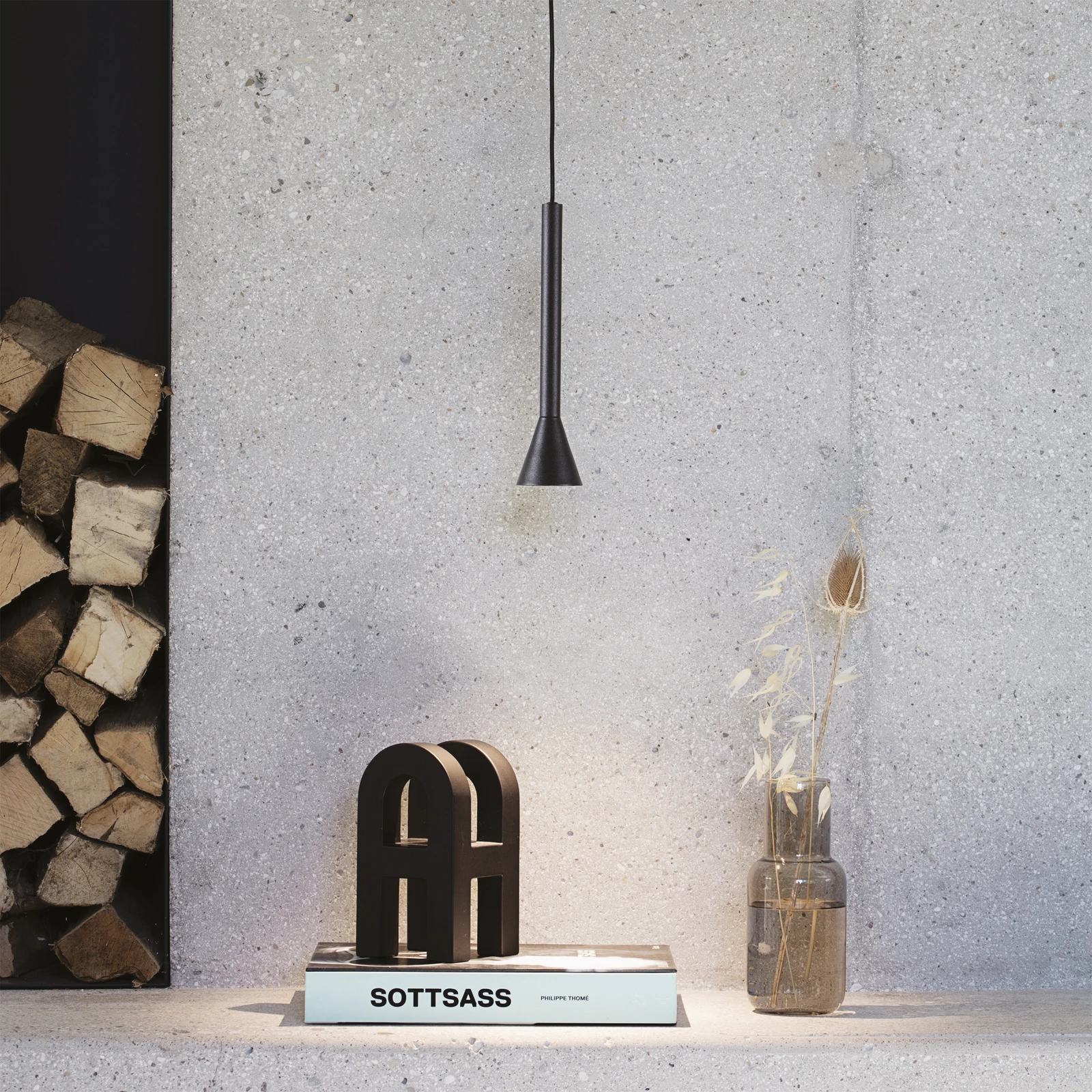
Glass Lampshades Explained: Clear, Opal, Smoked, Amber and Blown Glass
Clear glass shows the bulb and sparkles, opal glass gives soft glare-free light, smoked and amber glass add colour and warmth but reduce output, and hand-blown glass gives each shade small natural variations.
Read the guide →
Interiors · 5 min read
Mixing Metal Finishes: Brass, Chrome, Black and Gold Lighting
Pick one dominant metal for a room, use a second as an accent, keep lighting finishes close to taps, handles and hardware, and repeat each finish at least twice so it looks intentional.
Read the guide →
Styles · 5 min read
Industrial-Style Lighting: Cages, Metal Shades and Filament Bulbs
Industrial lighting uses exposed bulbs, wire cages, enamelled metal shades and dark finishes; use warm filament bulbs, hang pendants in rows over tables, and balance the look with soft wall or lamp light.
Read the guide →Styles · 6 min read
Art Deco Lighting: How to Get the Look
How to bring Art Deco style into your home with lighting: brass, glass and crystal, geometric shapes, warm light and how to avoid pastiche.
Read the guide →Bulbs & technical lighting

Bulbs · 6 min read
Light Bulb Caps Explained: E27, E14, GU10, G9, G4, GX53 and R7S
The cap is the base of the bulb: E27 and E14 screw in, GU10 twists and locks, G9 and G4 push in on two pins, GX53 twists into slim ceiling fittings, and R7S is a double-ended linear lamp. Always match the cap printed on the fitting page.
Read the guide →
Technical · 6 min read
Track and Magnetic Lighting at Home: Flexible Spotlights Explained
Track and magnetic systems let you move, add and aim spotlights along a powered rail, which makes them ideal for kitchens, galleries and open-plan spaces where layouts or furniture change.
Read the guide →
Downlights · 6 min read
How Far Apart Should Downlights Be? Spacing, Beam Angle and Layout
Space downlights roughly the ceiling height apart and half that distance from the walls: about 1.2–1.5 m apart in a typical 2.4 m UK ceiling, with wider beams allowing wider spacing.
Read the guide →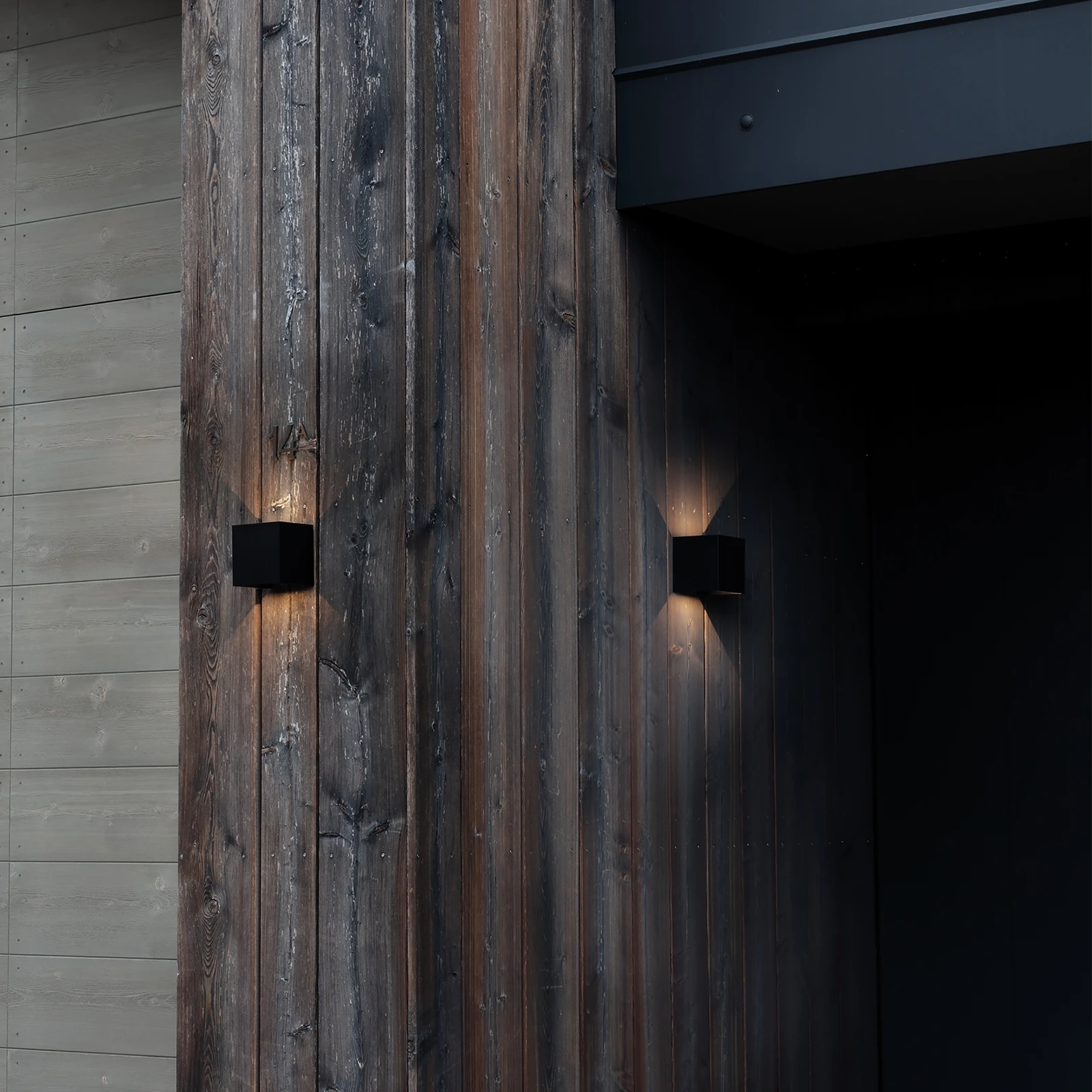
Technical · 5 min read
IP44 vs IP54 vs IP65: What Do IP Ratings Mean for Lighting?
IP44 protects against splashing water, IP54 adds dust protection, and IP65 is dust-tight and protected against water jets; IP44 suits most outdoor and bathroom uses; choose IP65 over showers and on exposed sites.
Read the guide →
Technical · 4 min read
2700K vs 3000K: Which Warm White Should You Choose?
2700K is the warmer, more traditional warm white and suits living rooms, bedrooms and dining; 3000K is slightly crisper and suits kitchens, bathrooms and modern interiors. Keep one colour temperature per room.
Read the guide →
Technical · 4 min read
CRI 80 vs CRI 90: Does Colour Rendering Matter in Lighting?
CRI measures how accurately a light shows colours on a scale to 100; CRI 80 is fine for corridors and general areas, while CRI 90 or more is worth it in kitchens, bathrooms, retail, galleries and anywhere colour matters.
Read the guide →
Technical · 5 min read
Integrated LED vs Replaceable Bulb: Which Light Fitting Should You Choose?
Choose integrated LED for slimmer designs, better optics and low maintenance; choose a fitting that takes a replaceable bulb if you want to change colour, brightness or style later, or need easy repair.
Read the guide →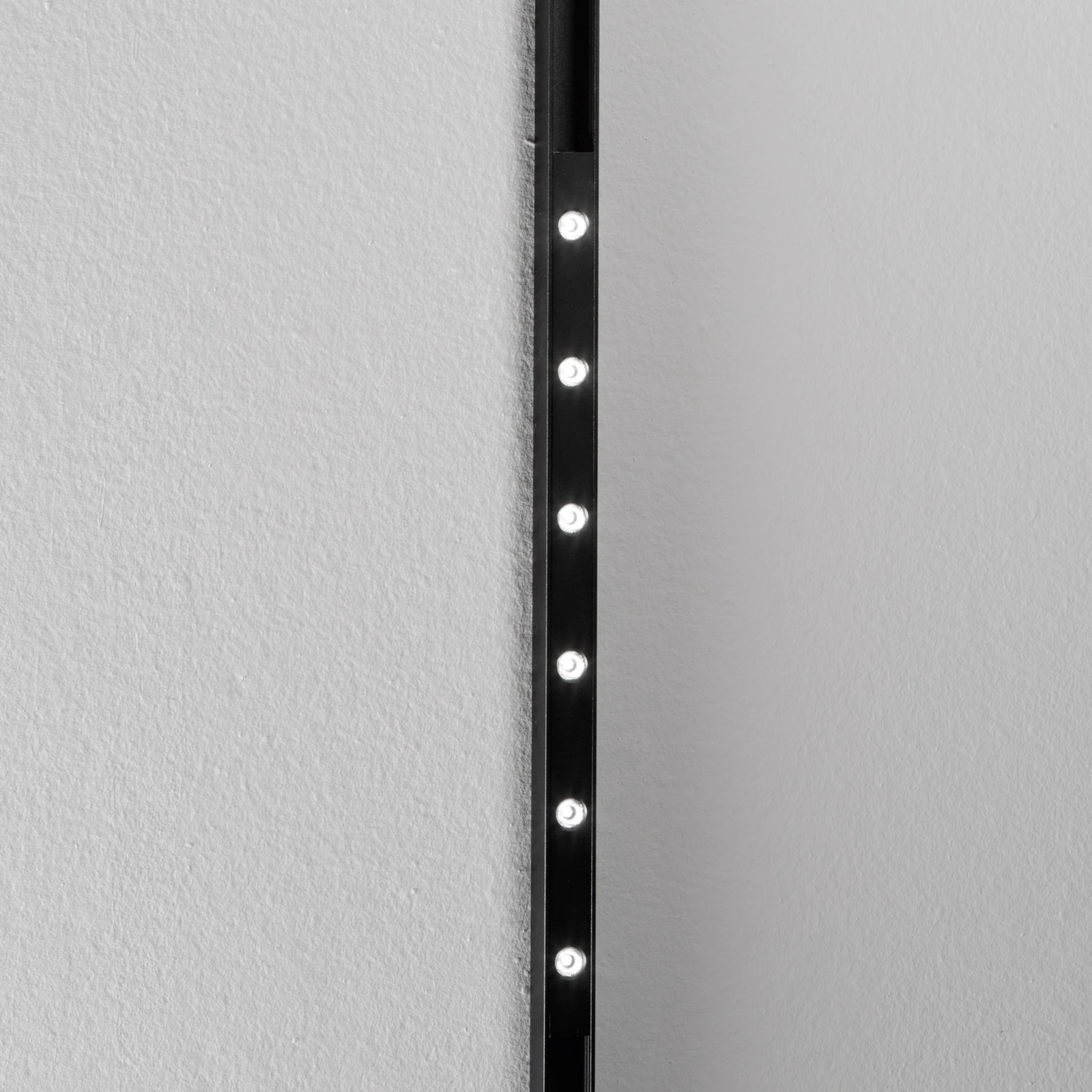
Technical · 6 min read
LED Dimming Explained: Phase, DALI, 1-10V and Push Dim
LED fittings dim in four main ways: phase dimming with a mains wall dimmer, DALI digital control, 1-10V analogue control and push dimming from a retractive switch; the product page tells you which one a fitting uses.
Read the guide →
Ideal Lux · 4 min read
Ideal Lux Product Codes Explained: Reading Codes and Names
Ideal Lux product codes are six-digit numbers that identify one exact fitting in one finish and size; the product name adds the collection, fitting type (SP for suspension, PL for ceiling, AP for wall, PT for floor, LT for table) and the number of lights.
Read the guide →More guides
Trade and project enquiries
Need trade pricing or project quantities?
Send your product codes, quantities and deadline. The 299 Lighting team will confirm lead time and your price, usually within one working day.
Send an enquiry →