













Recessed or surface-mounted?
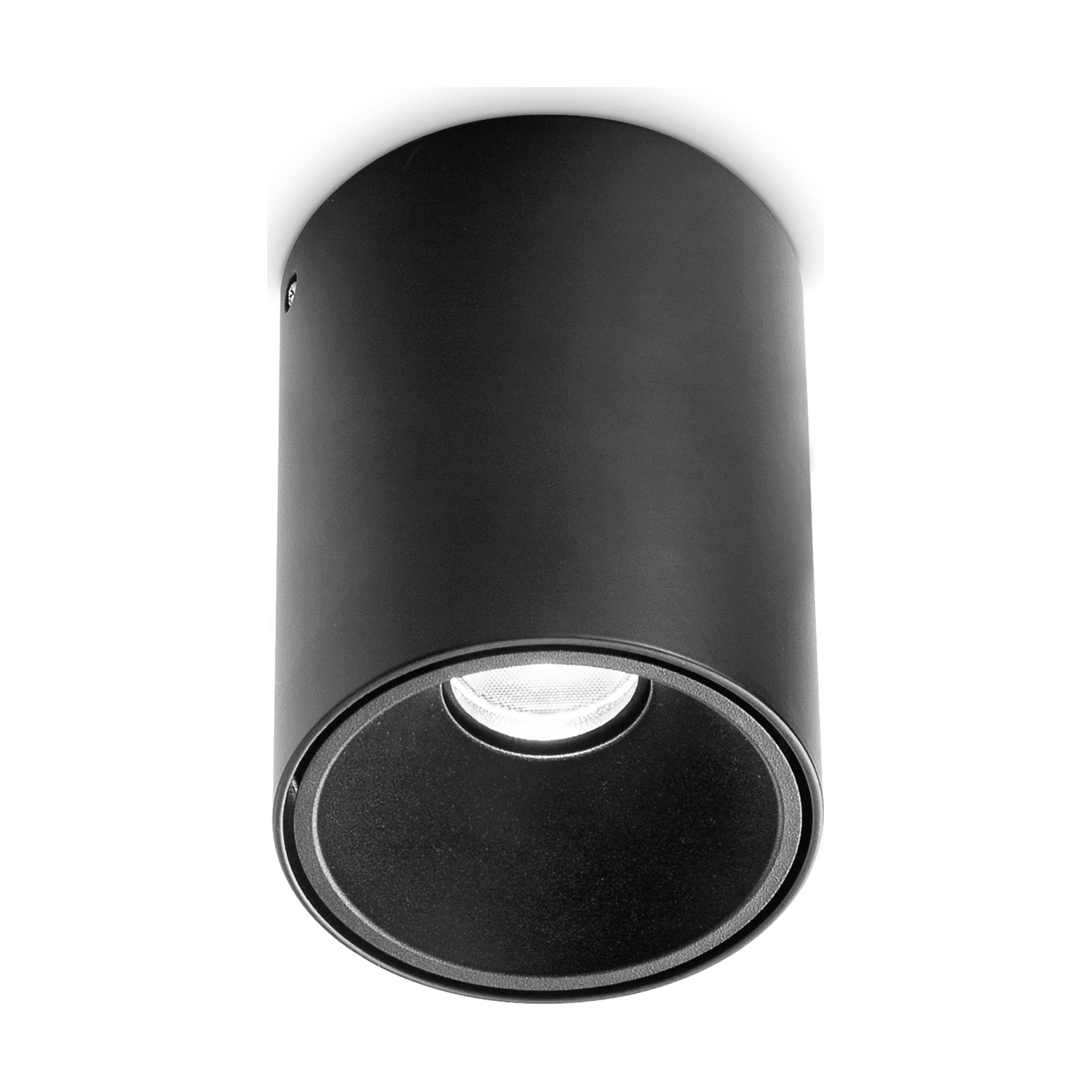
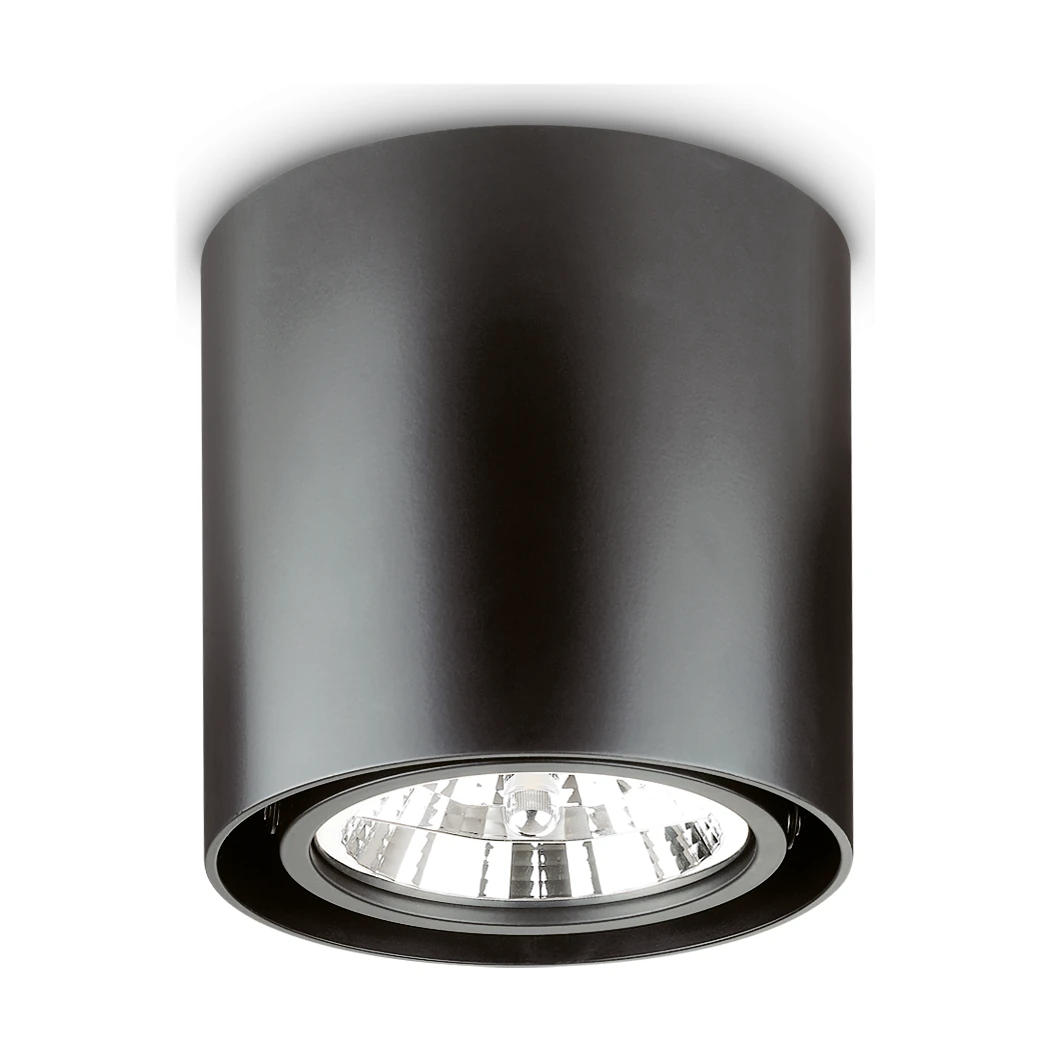
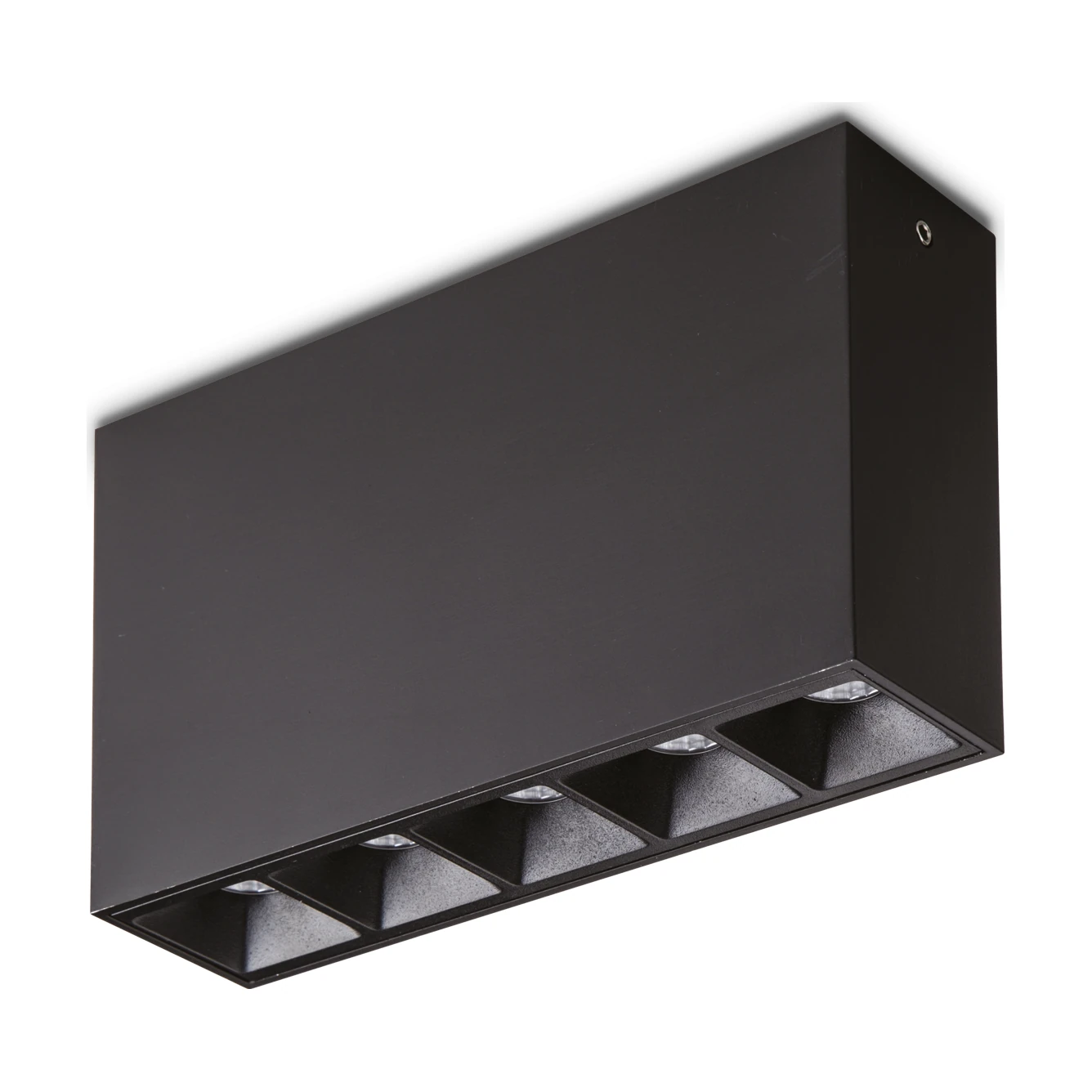
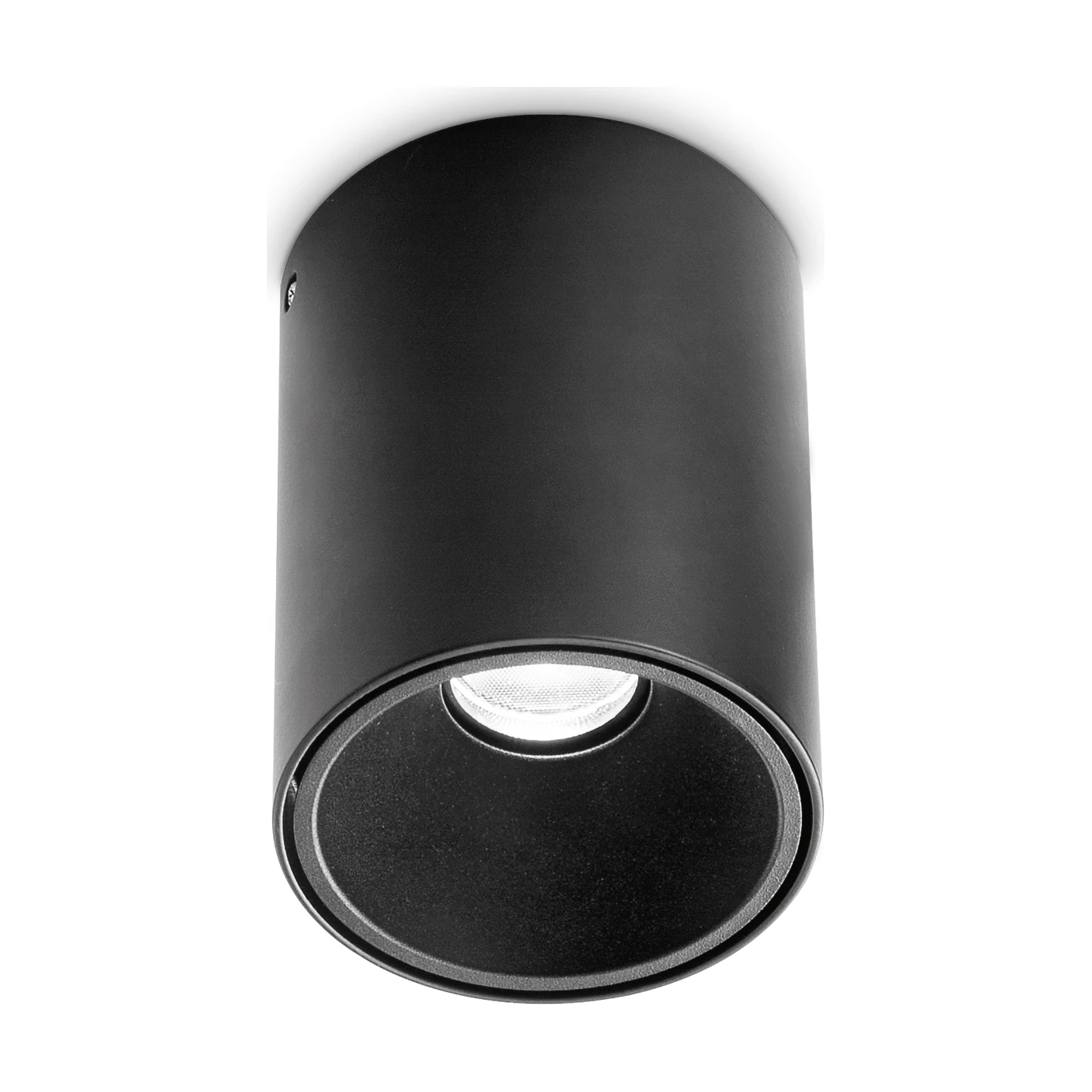
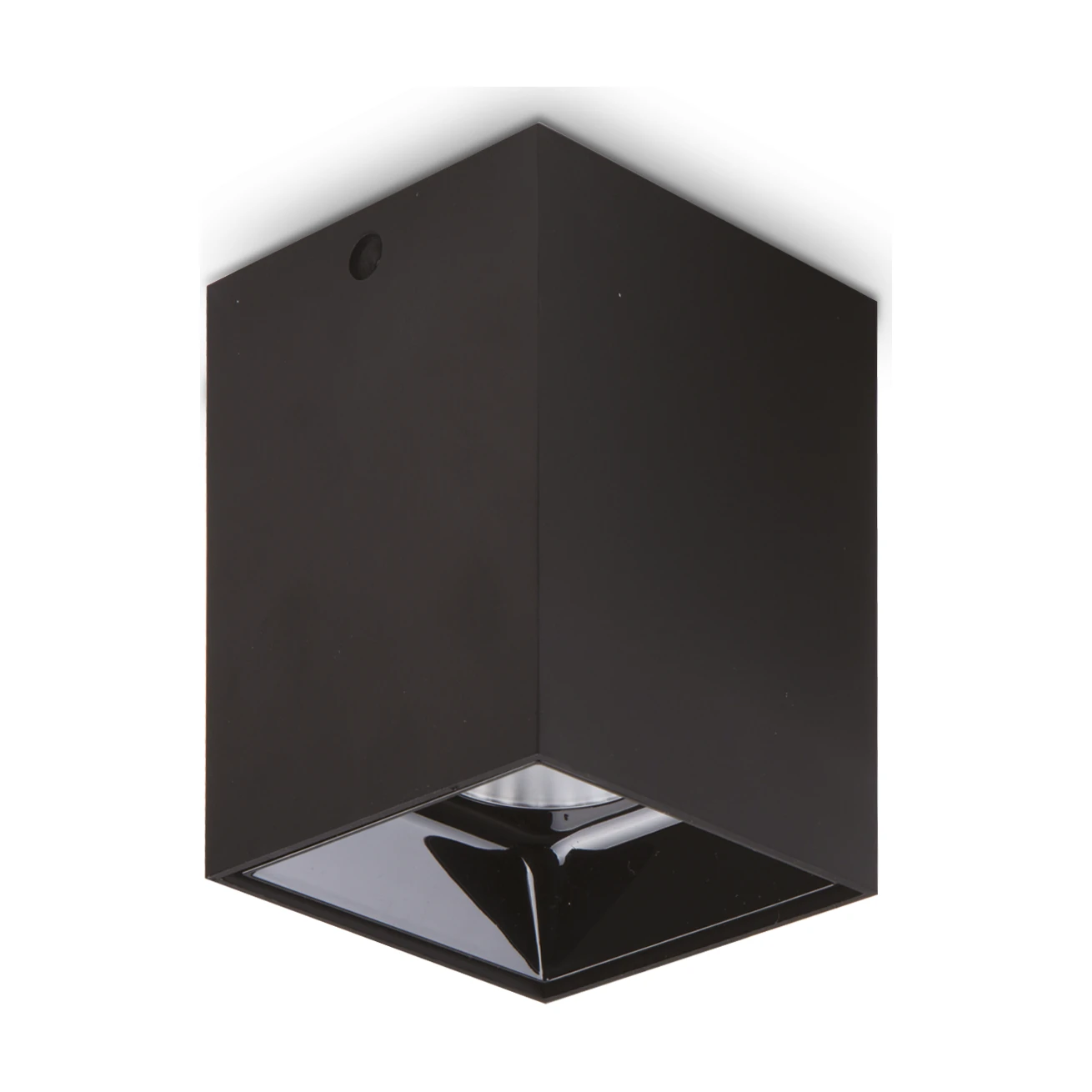
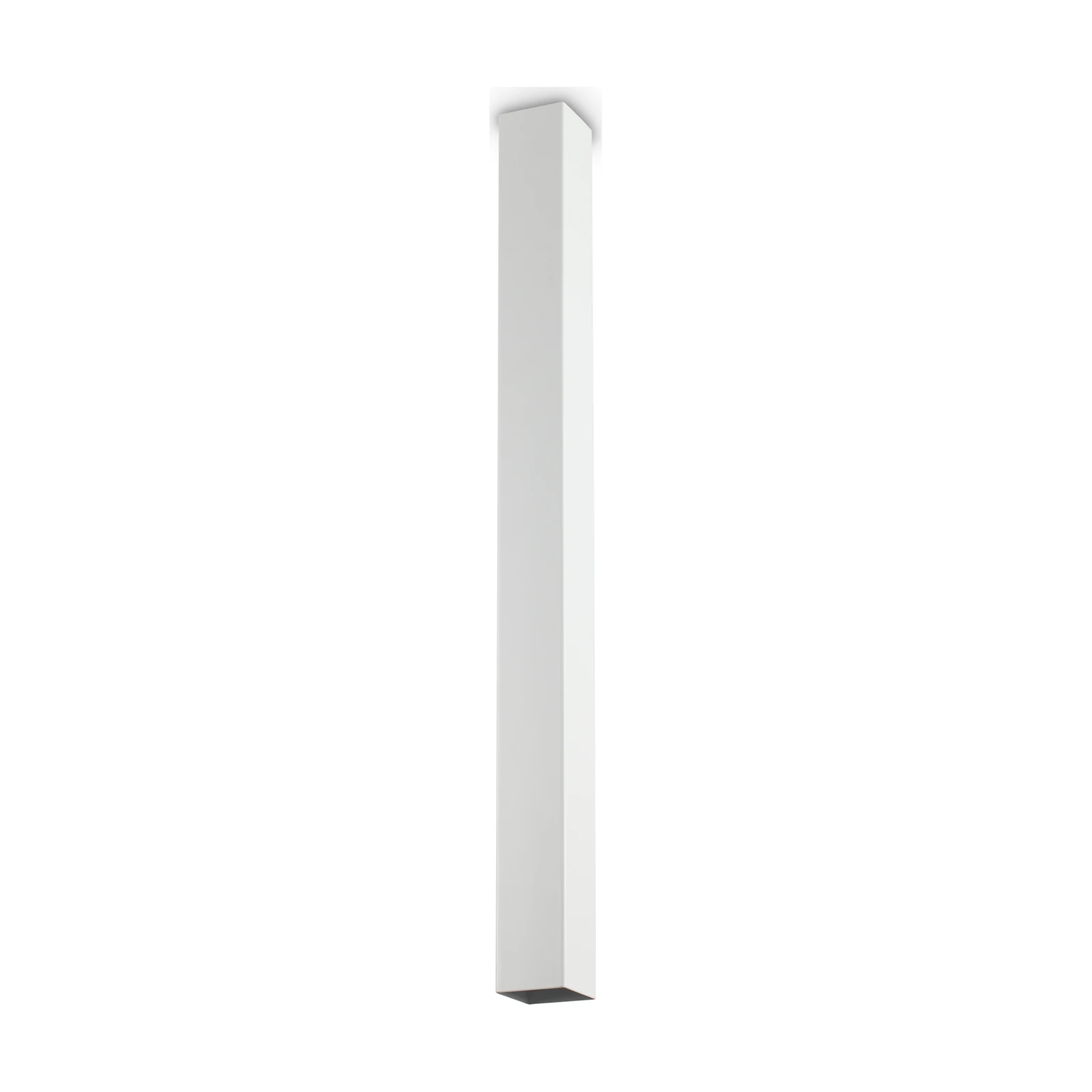
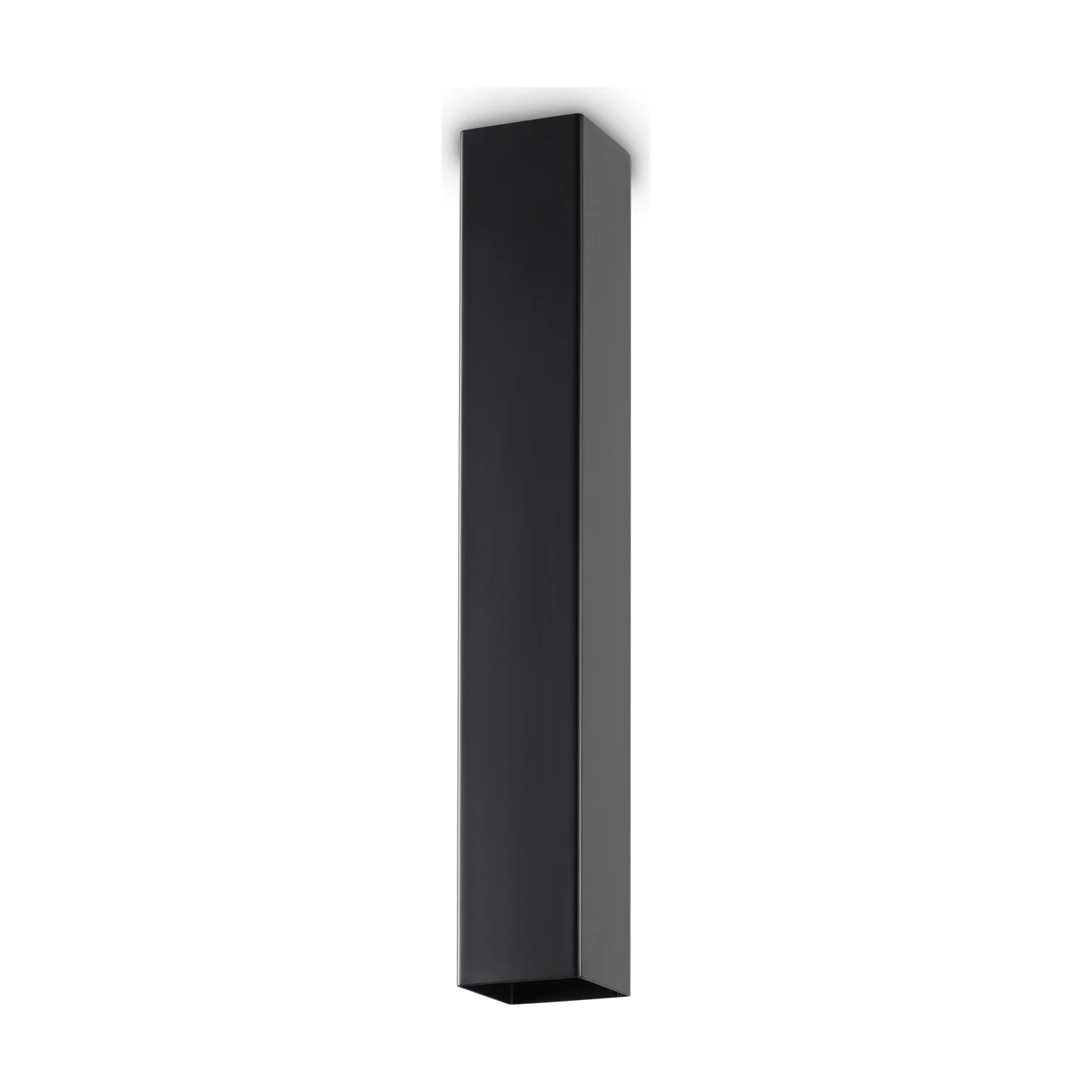
Recessed downlights sit in a hole cut in the ceiling and need a ceiling void; they give the cleanest look. Surface-mounted downlights fix to the ceiling and suit concrete ceilings, beams and refurbishments where you cannot cut into the ceiling.
How far apart?
As a rule of thumb, space downlights about the ceiling height apart, roughly 1.2–1.5 m in a 2.4 m room, and half that distance from the walls. Wider beams can go further apart. Our downlight spacing calculator does the sums.
Which beam angle?
Narrow beams (under 25°) pick out art and features. Medium beams (25–45°) suit kitchens and living rooms. Wide beams (over 45°) give general light with fewer fittings. The beam is in the filters and on each product page.
Glare and colour
Deep-set and low-glare (UGR) downlights hide the bright source, which matters in living spaces and offices. A CRI of 90 or more shows food, skin and finishes accurately. 2700K–3000K suits homes; 4000K suits workspaces.
Dimming and drivers
Some Ideal Lux downlights include their driver, others need a separate one, and the driver decides how the light dims (phase, DALI, 1-10V or push dim). Compatible drivers are listed on each product page.
Bathrooms and fire rating
Over a bath or shower you need IP65; elsewhere in a bathroom IP44 is the usual minimum. Check the IP rating on each fitting. Fire-rated downlights are needed where a fitting breaks a fire-resistant ceiling; we only describe a product as fire-rated where the manufacturer certifies it, so ask us if your project needs certified fittings.
Questions
How far apart should downlights be?
Roughly the ceiling height apart, and half that from the walls: about 1.2–1.5 m in a 2.4 m room.
What is the difference between recessed and surface-mounted downlights?
Recessed downlights sit inside the ceiling; surface-mounted ones fix to it and need no ceiling void.
What is a trimless downlight?
A recessed downlight plastered into the ceiling so no rim is visible.
Do I need a driver?
Some downlights need a separate driver; it is listed on the product page under What you need with this fitting.
At a glance
| Fittings on this page | 269 |
|---|---|
| Collections | 27: Look, Game, Lika, Nitro, Nova, Quark, Spike, Groove, Infinity, Mood and more |
| Most common finishes | white, black, brass, chrome, burnished, copper, aluminium |
| Light source | 196 integrated LED, 73 take a bulb or light source |
| IP ratings | IP20 |
Popular collections in this range
- Ideal Lux Look (37 on this page)
- Ideal Lux Game (30 on this page)
- Ideal Lux Lika (30 on this page)
- Ideal Lux Nitro (20 on this page)
- Ideal Lux Nova (16 on this page)
- Ideal Lux Quark (14 on this page)
- Ideal Lux Spike (13 on this page)
- Ideal Lux Infinity (8 on this page)
- Ideal Lux Play (8 on this page)
- Ideal Lux Dynamic (6 on this page)
- Ideal Lux Zeus (6 on this page)
- Ideal Lux Beyond (4 on this page)
Related guides
- How Far Apart Should Downlights Be? Spacing, Beam Angle and Layout
- LED Dimming Explained: Phase, DALI, 1-10V and Push Dim
- CRI 80 vs CRI 90: Does Colour Rendering Matter in Lighting?
- IP44 vs IP54 vs IP65: What Do IP Ratings Mean for Lighting?
Prices for retail, trade and projects are by quotation: add fittings to your enquiry list and we reply with availability, lead time and price, usually within one working day.