By James Batten, 299 Lighting · Published · Updated
In short
IP44 protects against splashing water, IP54 adds dust protection, and IP65 is dust-tight and protected against water jets; IP44 suits most outdoor and bathroom uses; choose IP65 over showers and on exposed sites.
An IP (ingress protection) rating has two digits. The first is protection against solids and dust, the second against water. Higher is more protected.
The two digits
| Rating | Solids | Water | Typical use |
|---|---|---|---|
| IP20 | Fingers | None | Indoor, dry rooms |
| IP44 | Objects over 1 mm | Splashing from any direction | Bathrooms (zone 2), sheltered outdoor walls |
| IP54 | Dust-protected | Splashing from any direction | Gardens, porches, exposed walls |
| IP65 | Dust-tight | Water jets | Often chosen over showers (zone 1), soffits, exposed sites |
| IP67 | Dust-tight | Temporary immersion | In-ground and walkover lights |
Bathrooms
Under UK wiring regulations (BS 7671), luminaires in zone 1 (directly over the bath or shower up to 2.25 m) and zone 2 need at least IPX4, or IPX5 where water jets may be used for cleaning. Many designers choose IP65 over showers. Read our bathroom zones guide.
Outdoors
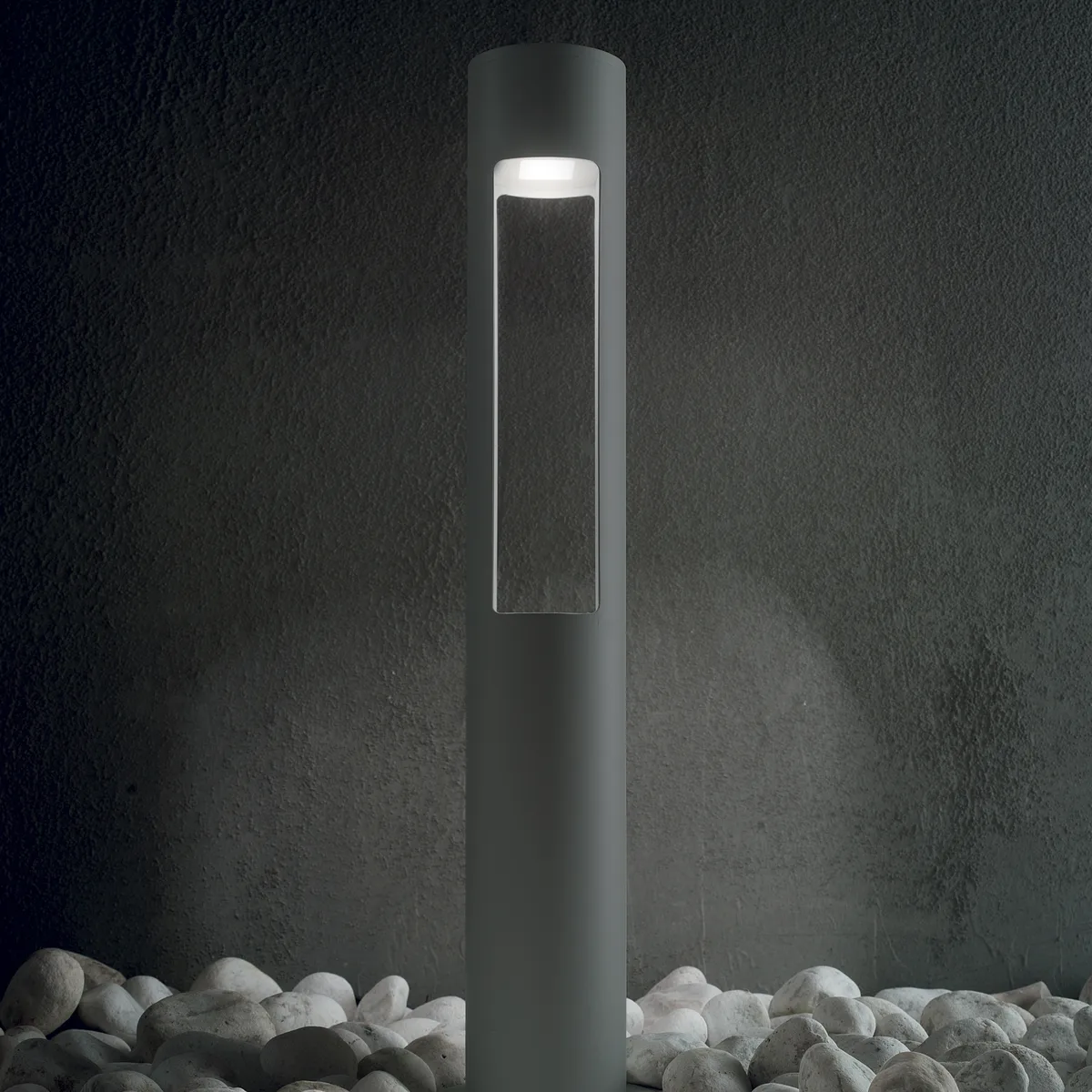
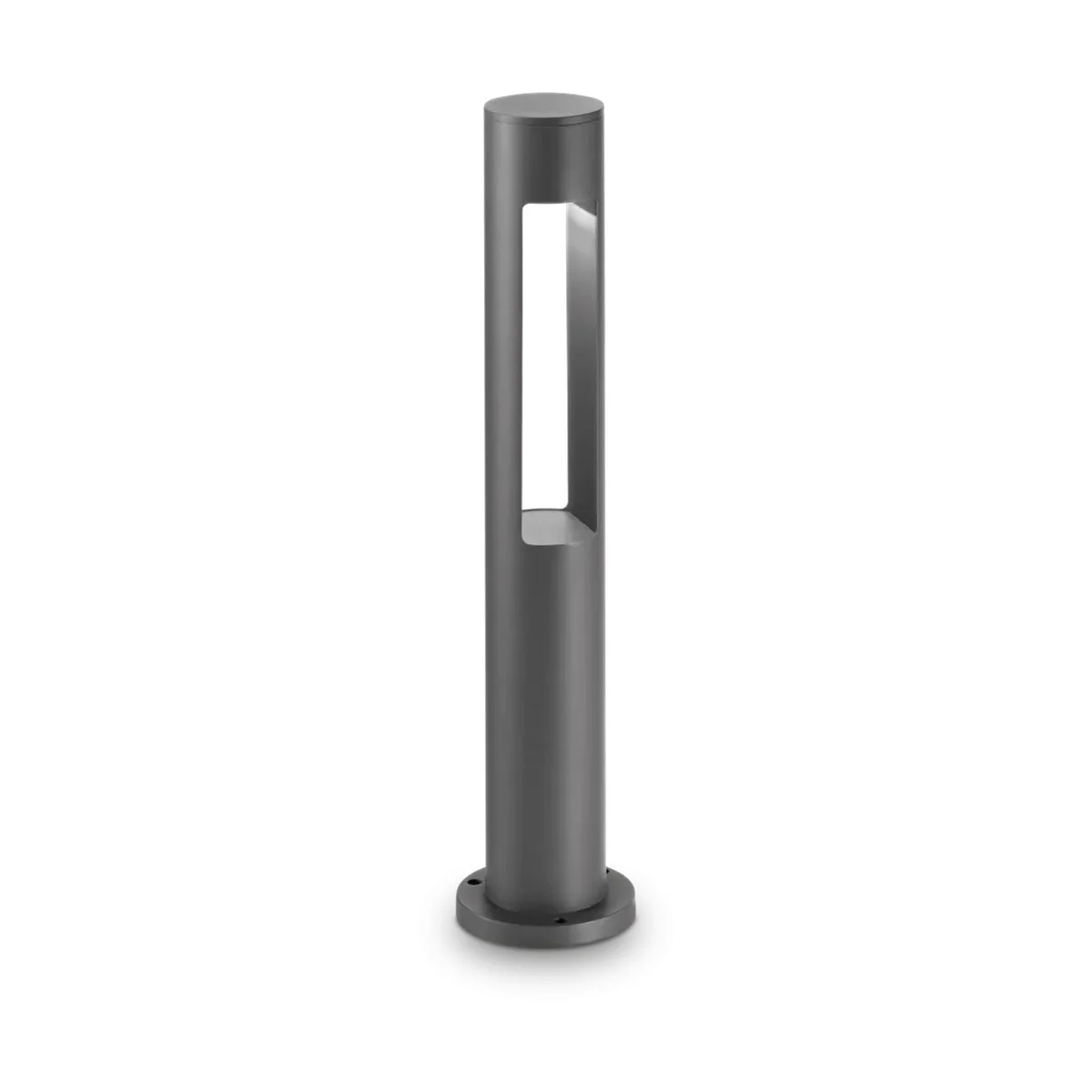
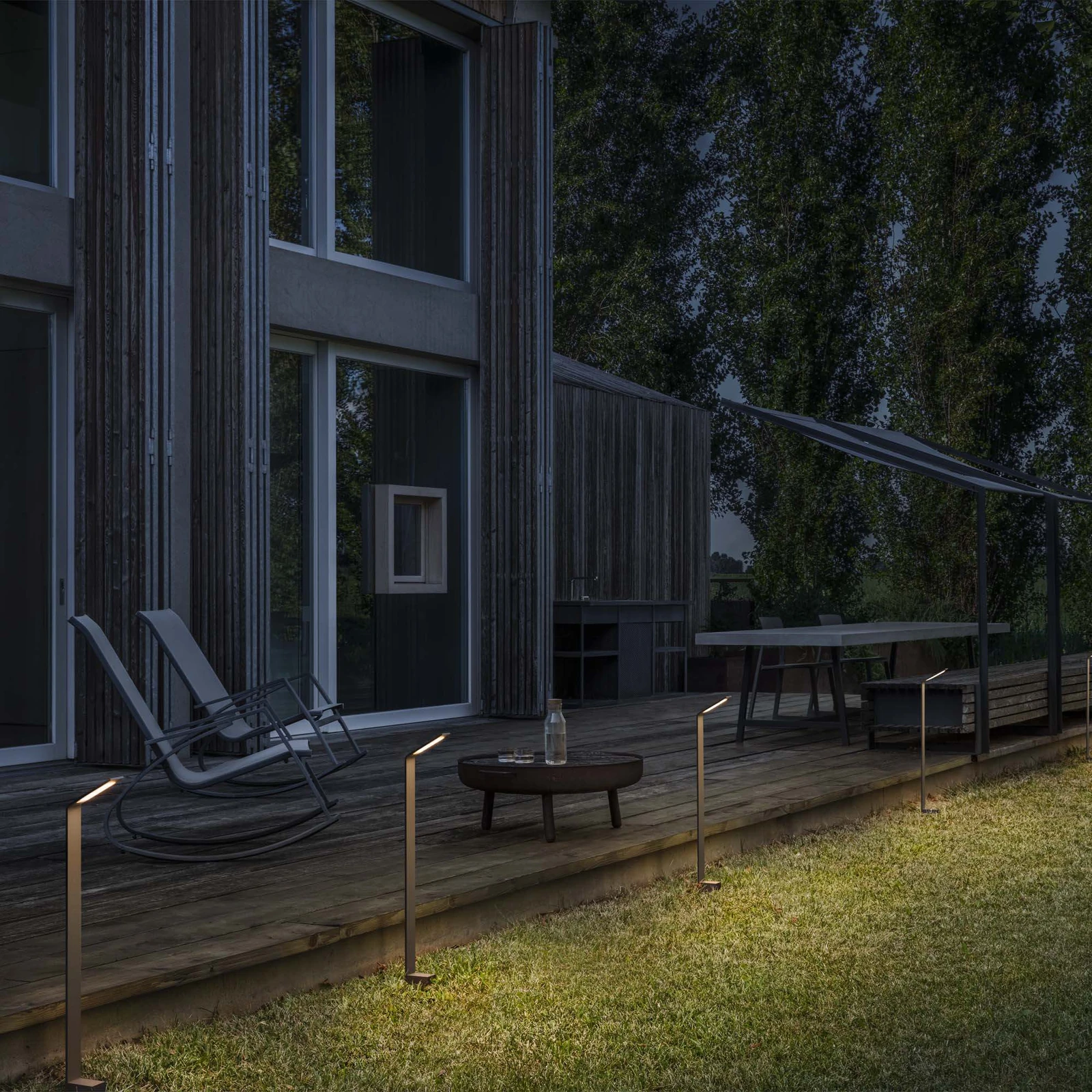
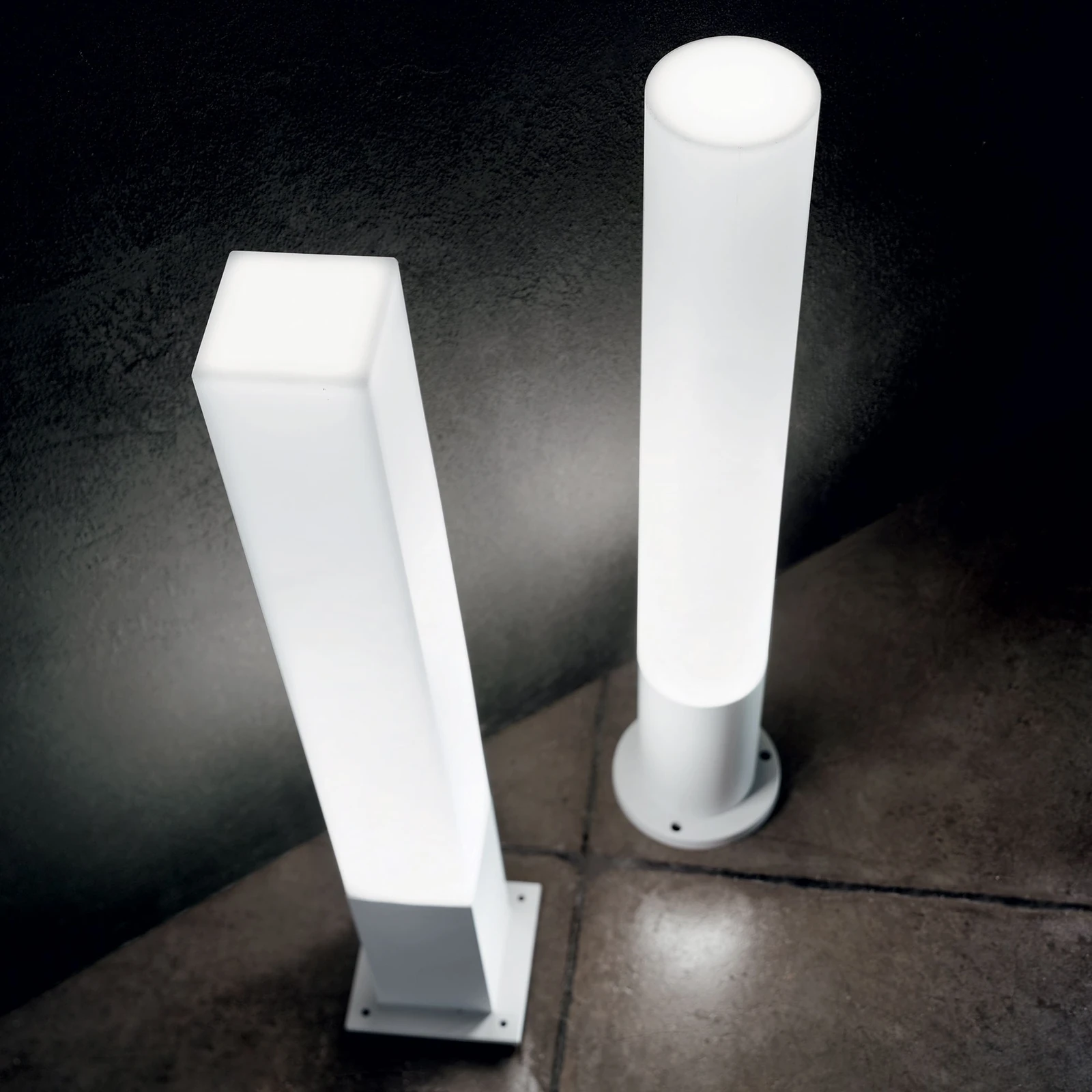
IP44 is the minimum for any outdoor fitting. For exposed walls, paths and anywhere that may be hosed down, choose IP54 or IP65. In-ground lights need IP67.
Where to find the rating
Every Ideal Lux product page on this site shows the IP rating from the Ideal Lux technical sheet. Use the Protection filter on outdoor lighting or Ideal Lux downlights (use the Protection filter).
Frequently asked questions
Is IP44 OK for outdoor lights?
Yes, IP44 is the minimum for outdoor fittings, best for sheltered positions. Choose IP54 or IP65 for exposed sites.
What is the difference between IP54 and IP65?
IP54 is dust-protected and splash-proof; IP65 is dust-tight and protected against water jets.
What IP rating do I need over a shower?
At least IPX4 in zone 1, directly above the shower or bath, though IP65 is often chosen for extra protection.