By James Batten, 299 Lighting · Published · Updated
In short
Light a home office with soft general light, a desk lamp to the side of your non-writing hand, no bright light behind or directly in front of the screen, and 3000–4000K light for focus during the day.
Working from home all day under one ceiling bulb causes glare on screens and tired eyes. A few simple changes make a big difference.
Position the desk first
Put the desk side-on to the window so daylight does not reflect in the screen or shine into your eyes. Avoid sitting with a bright window or lamp directly behind the monitor.
General light
A diffused ceiling light with an opal shade gives even light without hot spots. Around 300–500 lux on the desk is comfortable for screen and paper work.
Desk lamps
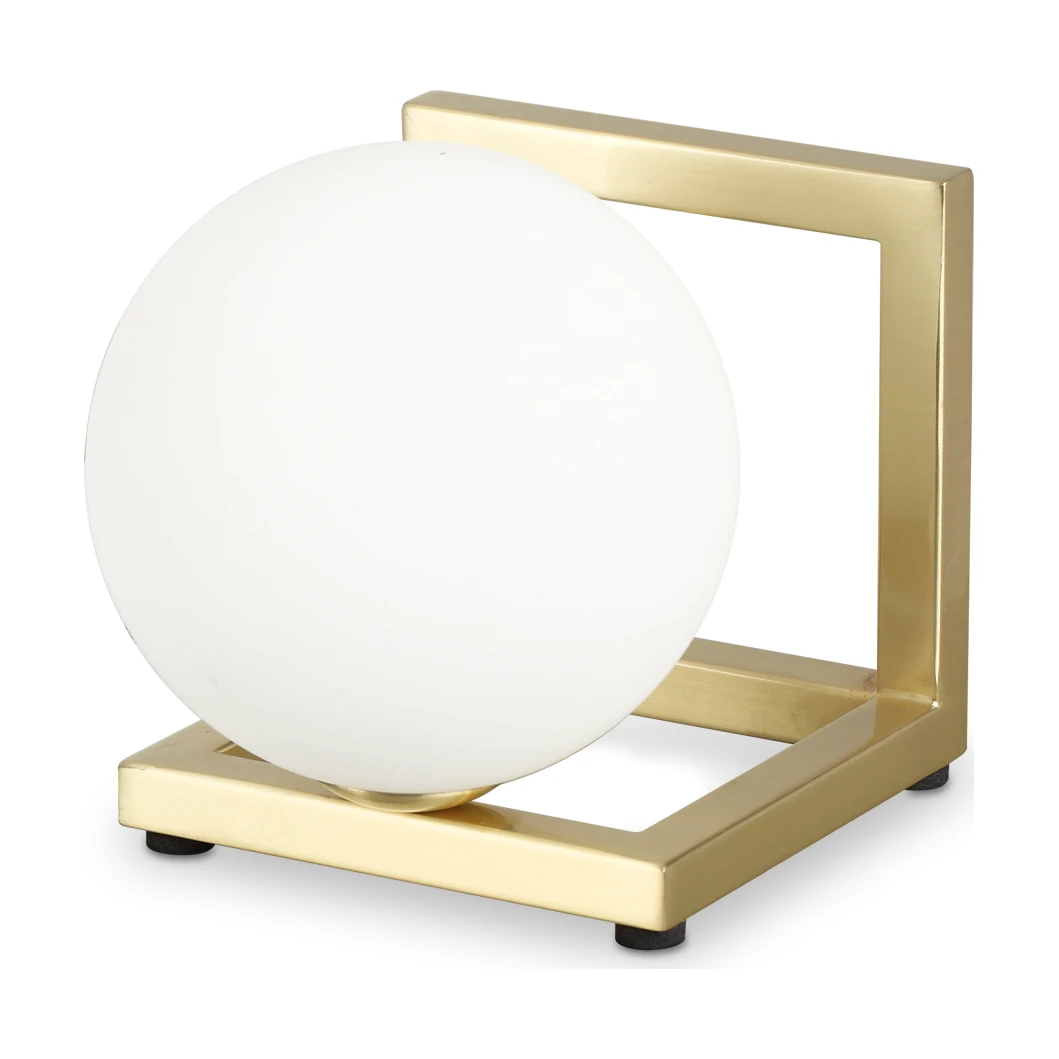
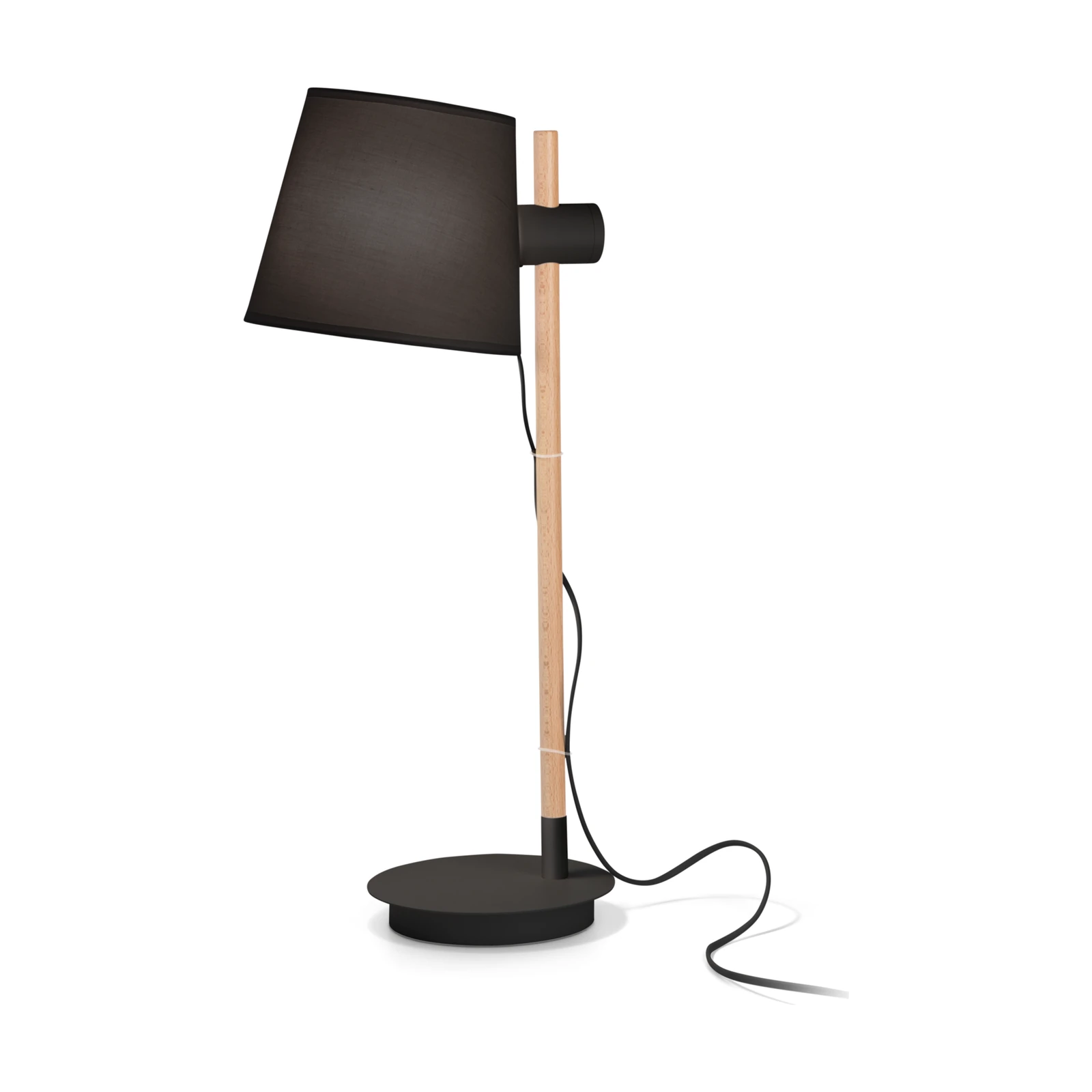
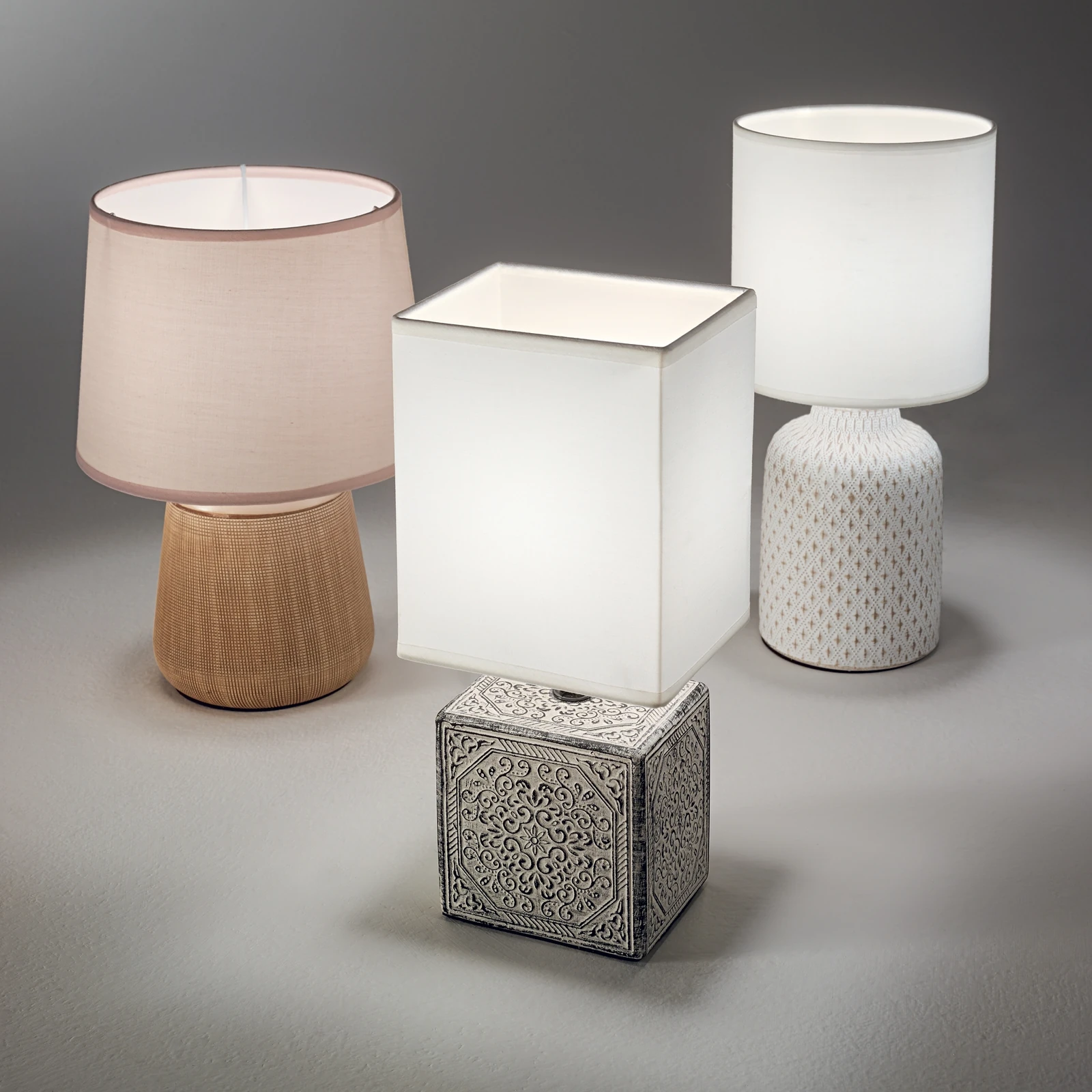
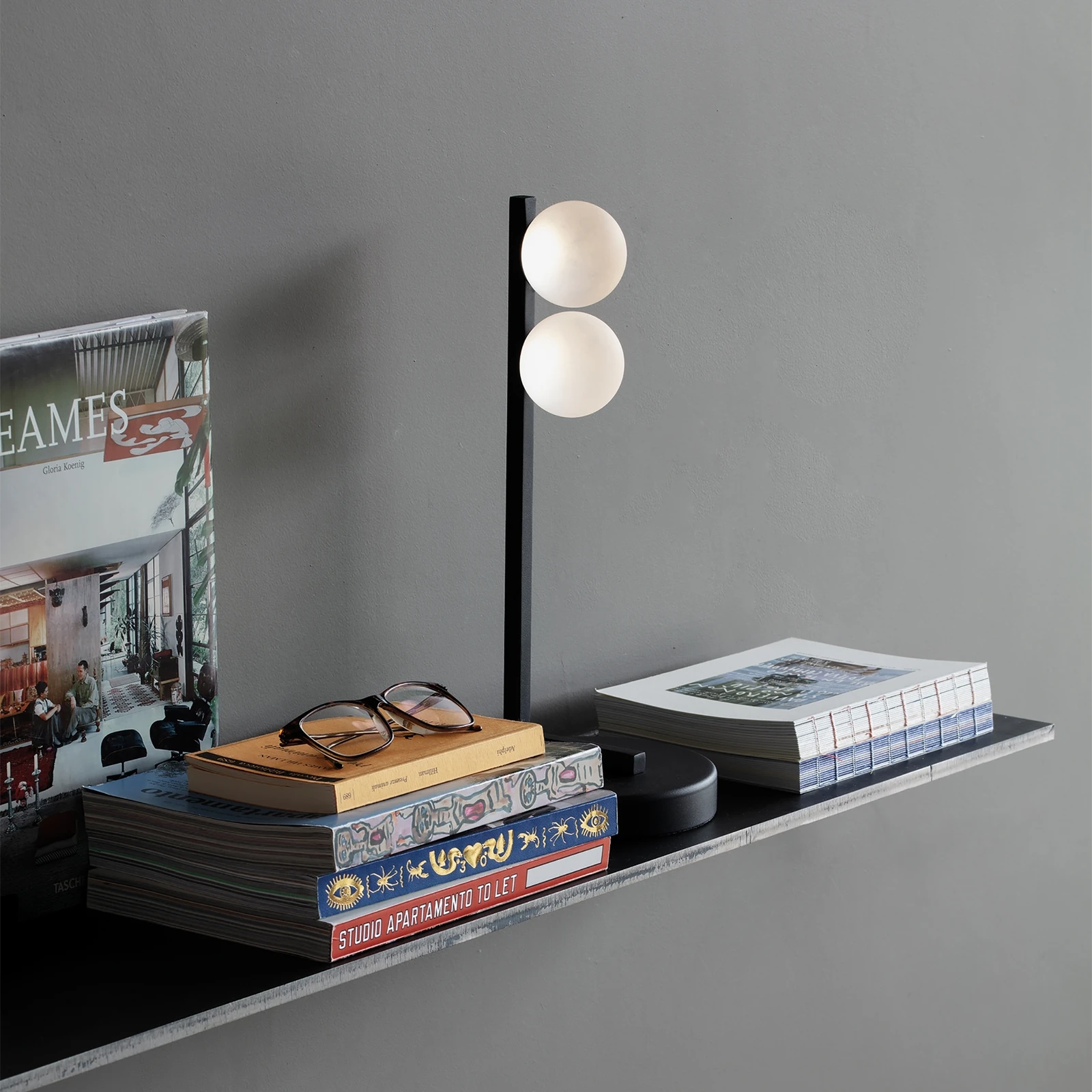
Place the desk lamp on the opposite side to your writing hand so your hand does not cast a shadow. An adjustable arm or a lamp with a deep shade keeps the bulb out of view. Browse table lamps.
Colour temperature
3000K is a good balance for a room that is also used in the evening. 4000K feels more alert for daytime focus. Avoid mixing very different colour temperatures in the same view.
Video calls
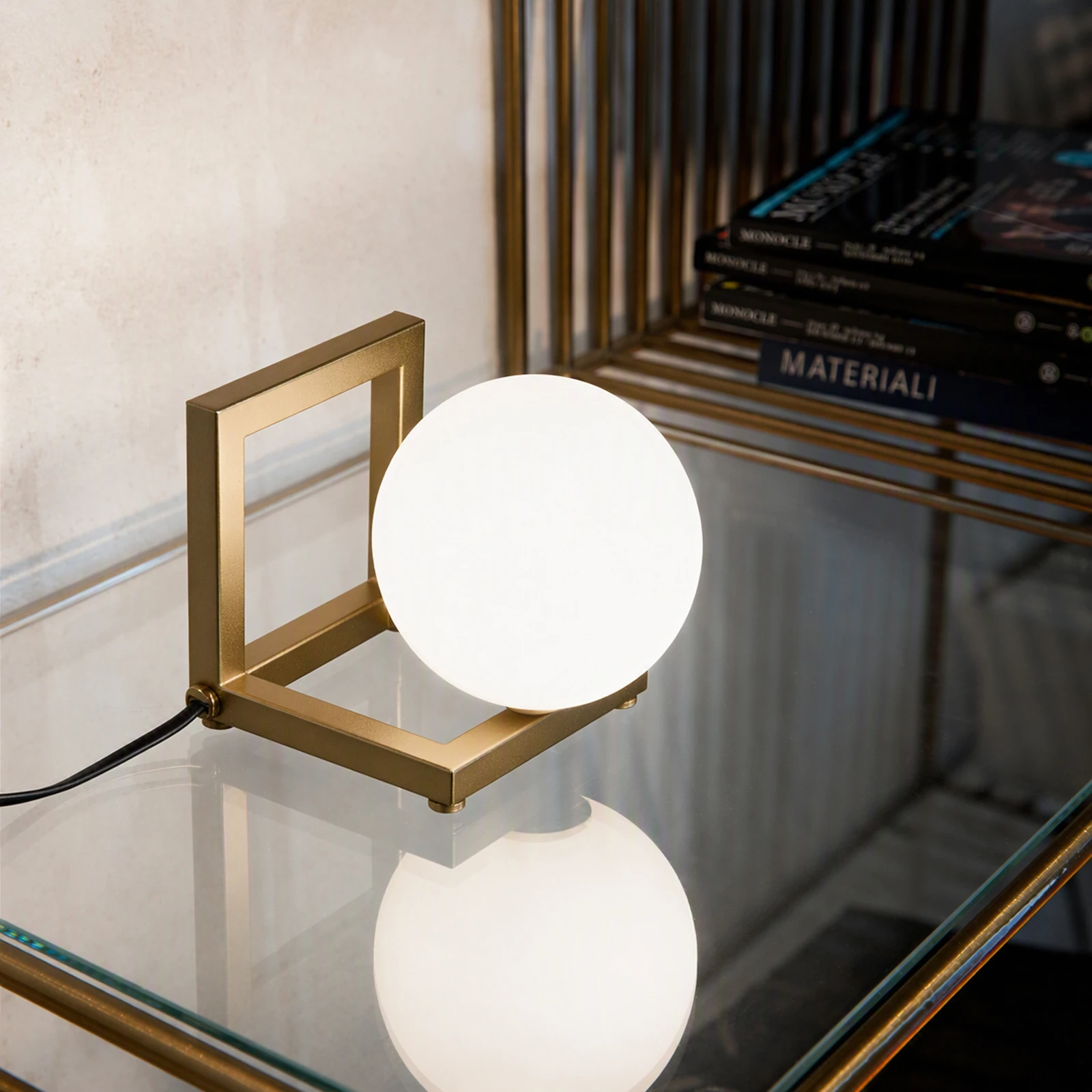
Light your face from the front and slightly above, with a soft source behind the camera. Avoid overhead downlights directly above your head, which cast shadows under the eyes.
Offices and workplaces
Commercial offices have stricter glare rules. See suspended office lighting or ask 299 Lighting about workplace schemes.
Frequently asked questions
Where should a desk lamp go?
On the side opposite your writing hand, so your hand does not shadow the work.
What colour temperature is best for working from home?
3000K for rooms also used in the evening, or 4000K for daytime focus.
How do I stop glare on my screen?
Place the desk side-on to windows and avoid bright lights directly behind or above the screen.