By James Batten, 299 Lighting · Published · Updated
In short
Track and magnetic systems let you move, add and aim spotlights along a powered rail, which makes them ideal for kitchens, galleries and open-plan spaces where layouts or furniture change.

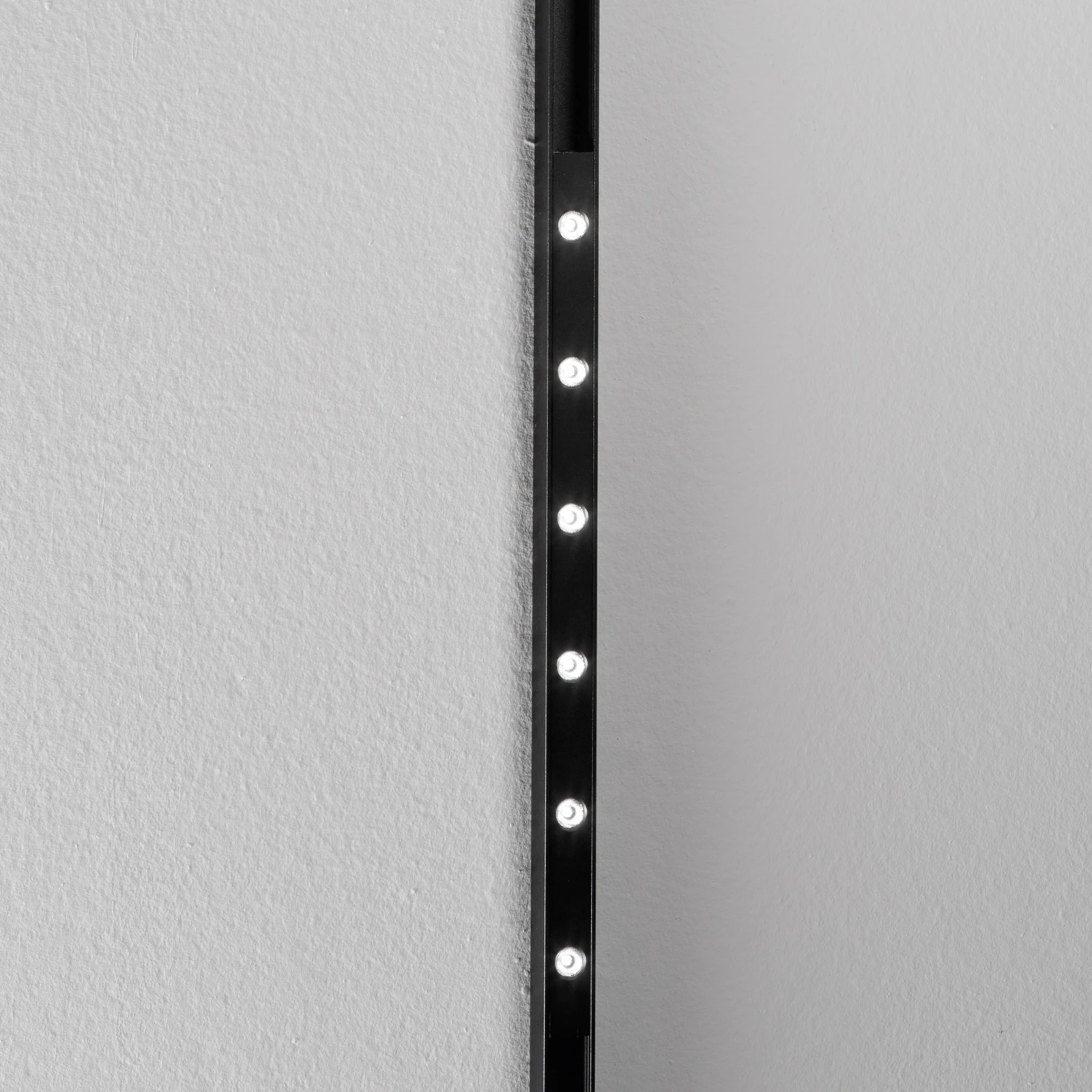
Track lighting has moved on from the chunky spotlights of the 1990s. Slim magnetic systems now sit flush in ceilings or hang as pendants, and the light heads simply click on where you need them.
How track systems work
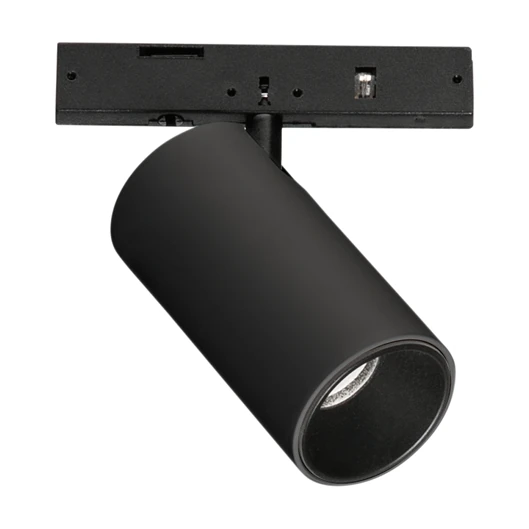
A powered rail is fixed to or recessed into the ceiling. Spotlights, linear modules and small pendants connect anywhere along it, so you can move them without rewiring.
Magnetic systems
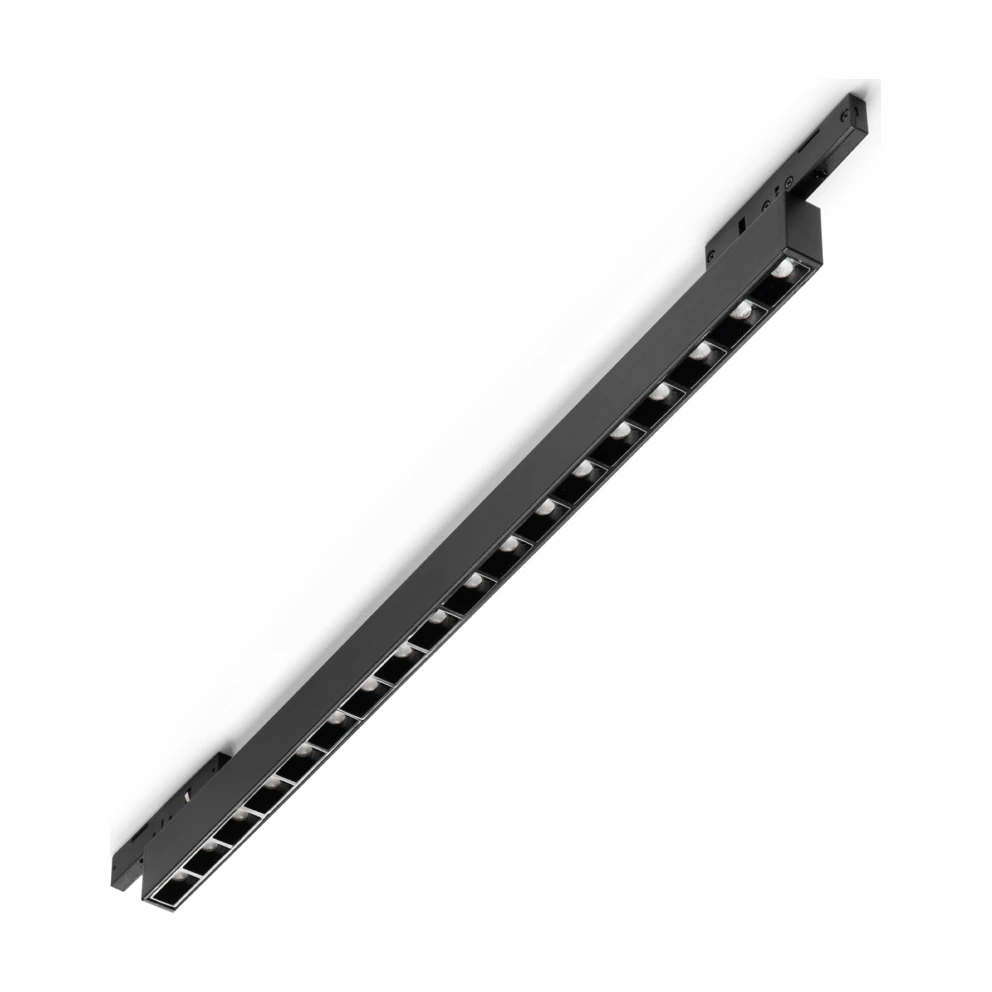
Magnetic tracks hold the light heads with magnets and use low-voltage power from a driver. Heads click on and off without tools, and you can mix spotlights, diffused linear modules and pendants on the same rail.

Where it works best
- Kitchens: aim spots at worktops and cupboards.
- Galleries and artwork: re-aim as pictures change.
- Open-plan spaces: zone living, dining and kitchen from one line.
- Shops and showrooms: move light as displays change.
Planning a run
Plan the rail along the edge of the zone you want to light, about 60–90 cm out from walls for wall washing. Check the driver size against the total wattage of the heads, and allow for adding more later. Browse Ideal Lux technical systems and drivers and accessories.

Recessed or surface?
Recessed tracks look cleaner but need a ceiling void. See trimless lighting for plaster-in details, or recessed lighting for downlight alternatives.
Specification support
Technical systems need the right drivers, connectors and end caps. Send your plan to 299 Lighting and we will build the full parts list.
Frequently asked questions
What is magnetic track lighting?
A low-voltage rail where light heads attach with magnets and can be moved without tools.
Can I mix spotlights and pendants on one track?
Yes, on most magnetic systems you can mix spotlights, linear modules and pendants.
Do track lights need a driver?
Low-voltage magnetic systems need a driver sized to the total load of the heads.