By James Batten, 299 Lighting · Published · Updated
In short
Pick one dominant metal for a room, use a second as an accent, keep lighting finishes close to taps, handles and hardware, and repeat each finish at least twice so it looks intentional.

Lighting is jewellery for a room, and its finish ties together taps, handles and furniture. You do not need everything to match, but it does need to look deliberate.
The 60/30/10 rule for metals
Use one main finish for most hardware and lighting (around 60%), a second finish for contrast (30%) and an optional third as a small accent (10%). Two finishes is usually enough in a small room.
How each finish behaves
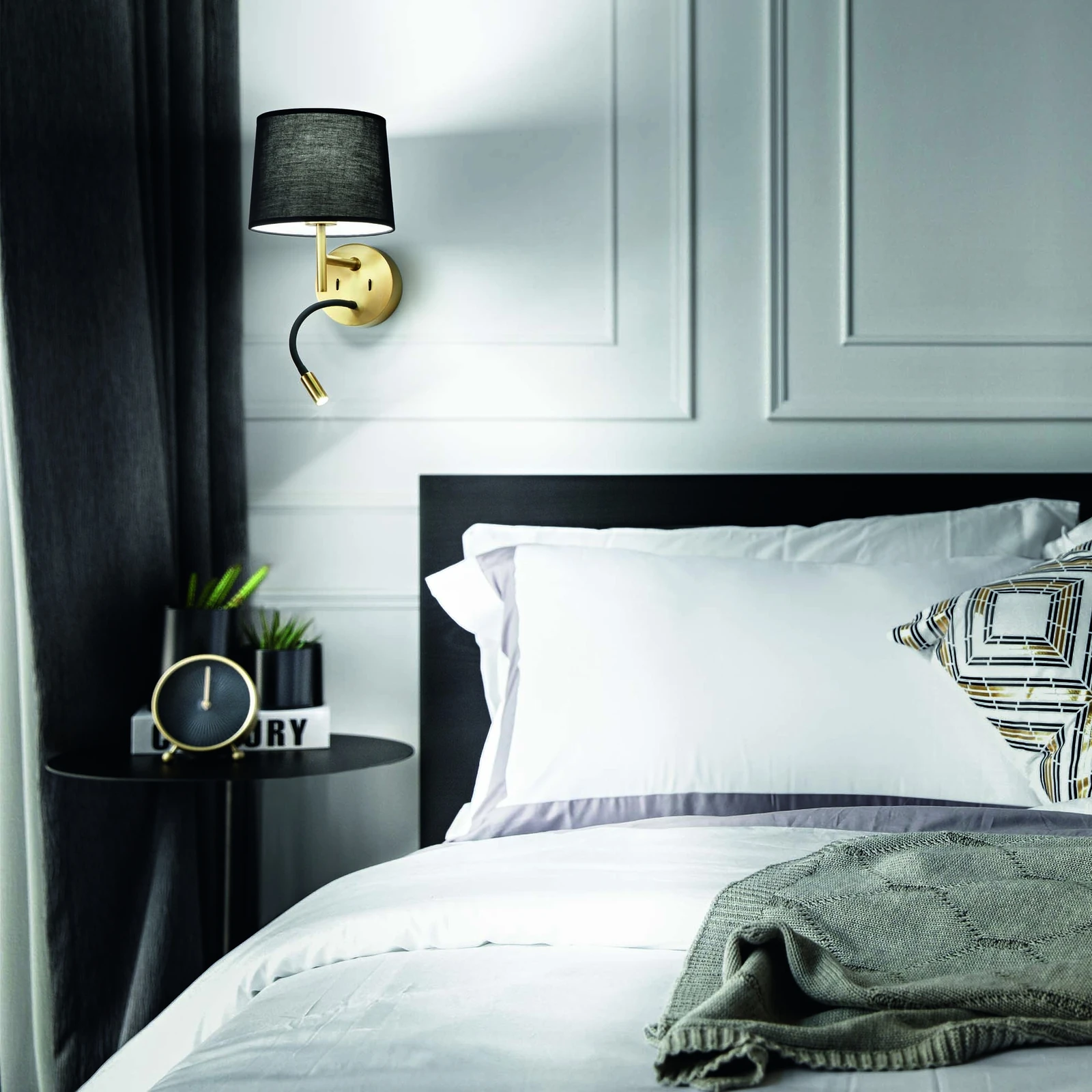
- Brass and gold warm up a room and suit both classic and modern schemes. Satin brass is more forgiving than polished.
- Chrome and nickel are crisp and reflective, and pair well with white and grey bathrooms.
- Black works as a neutral and suits industrial and contemporary interiors. Matt black hides fingerprints.
- Copper and bronze add warmth and age well in kitchens and dining rooms.
Room by room
In kitchens, match pendants to tap and handle finishes. In bathrooms, match wall lights to taps because they are seen together in the mirror. In living rooms you can be bolder: a brass floor lamp works next to black wall lights.
Use the filters
Every fitting on this site is tagged by finish. Use the Finish filter on all fittings to see brass, black, chrome or gold across every type at once.

Projects and schedules
For hotels and developments, we can help keep finishes consistent across a whole lighting schedule. See the 299 Lighting design service.
Frequently asked questions
Can I mix brass and black lighting?
Yes. It is one of the most popular combinations. Make one dominant and repeat each at least twice in the room.
Should lighting match the taps?
In kitchens and bathrooms, matching or closely toning with taps looks most considered.
How many metal finishes should a room have?
Two is usually best, three at most.