By James Batten, 299 Lighting · Published · Updated
In short
Light a living room in three layers: a soft ceiling light for general light, wall lights or lamps at eye level for atmosphere, and a focused lamp where you read, all on separate switches or dimmers.

A living room is used for more things than any other room: watching TV, reading, hosting, doing homework. One central light cannot do all of that. The answer is layering, which simply means using several smaller sources at different heights instead of one bright one. This is how our team at 299 Lighting plans decorative lighting for homes and residential projects.
Layer 1: general light from the ceiling
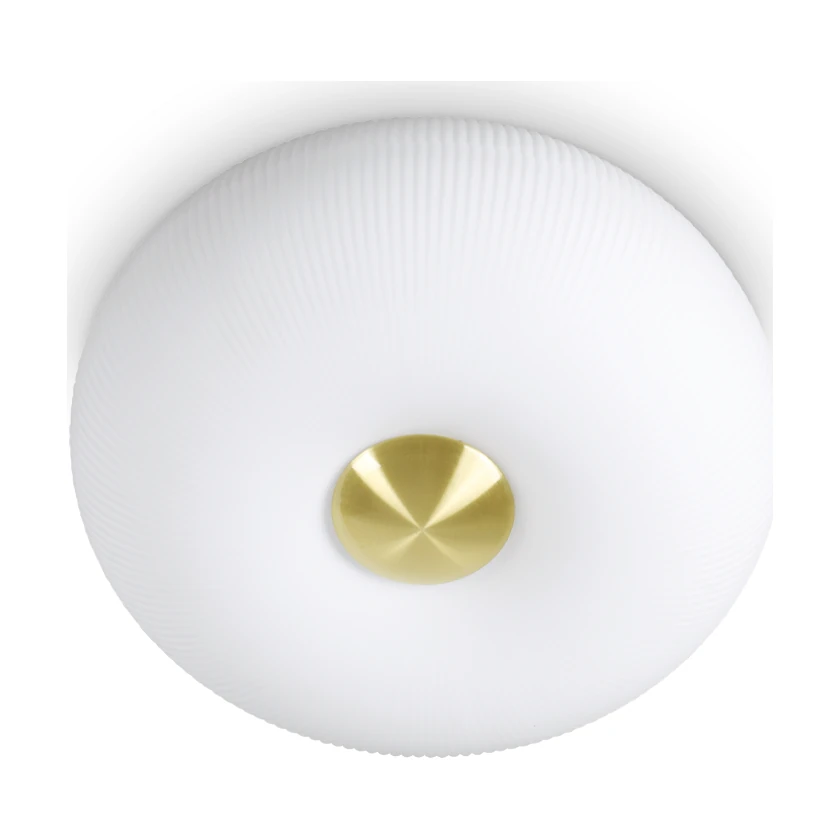
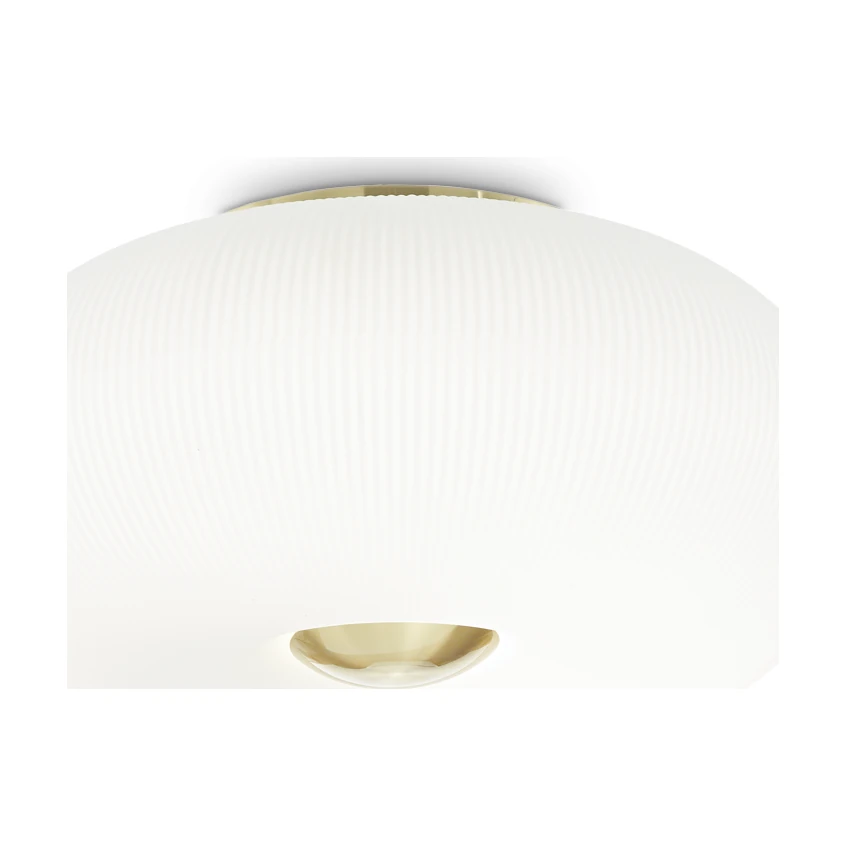
A flush or semi-flush ceiling light gives an even base. Choose an opal or frosted diffuser so the light spreads without a bright spot. As a guide, a living room needs around 10–20 lumens per square foot of general light, so a 4 x 5 m room (about 215 sq ft) works well with 2,000–3,000 lumens from the ceiling, dimmed down most evenings.
- In rooms under 2.4 m high, use a flush ceiling light so nobody walks into it.
- In rooms over 2.7 m, a semi-flush fitting or a cluster pendant fills the height better.
Layer 2: wall lights and lamps at eye level
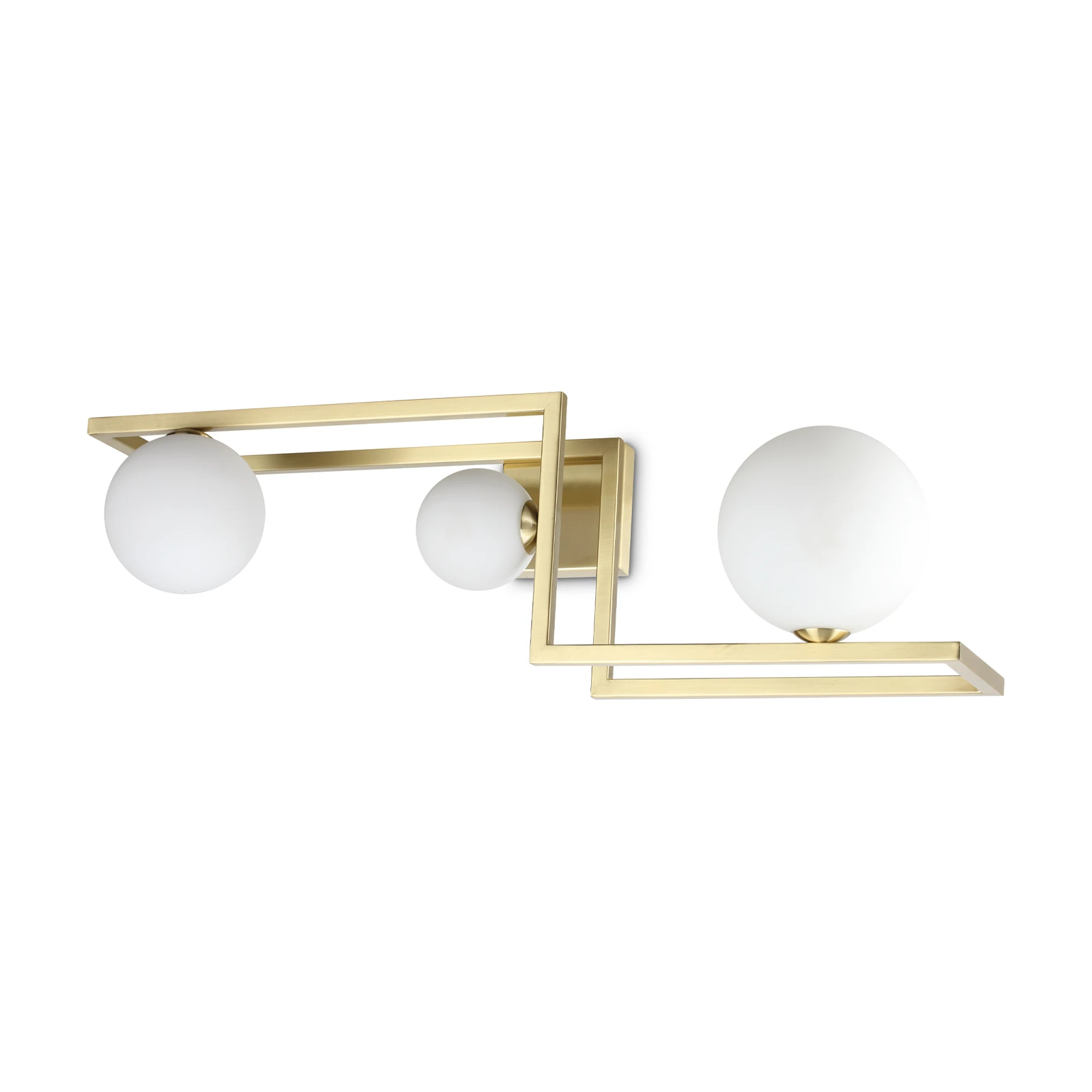
This is the layer that makes a room feel warm. Light at eye level lights faces and walls, which is what we notice most. Place wall lights about 1.6–1.8 m from the floor, either side of a fireplace, mirror or sofa. Add table lamps on side tables and consoles to bring light into corners.

Layer 3: task and accent light
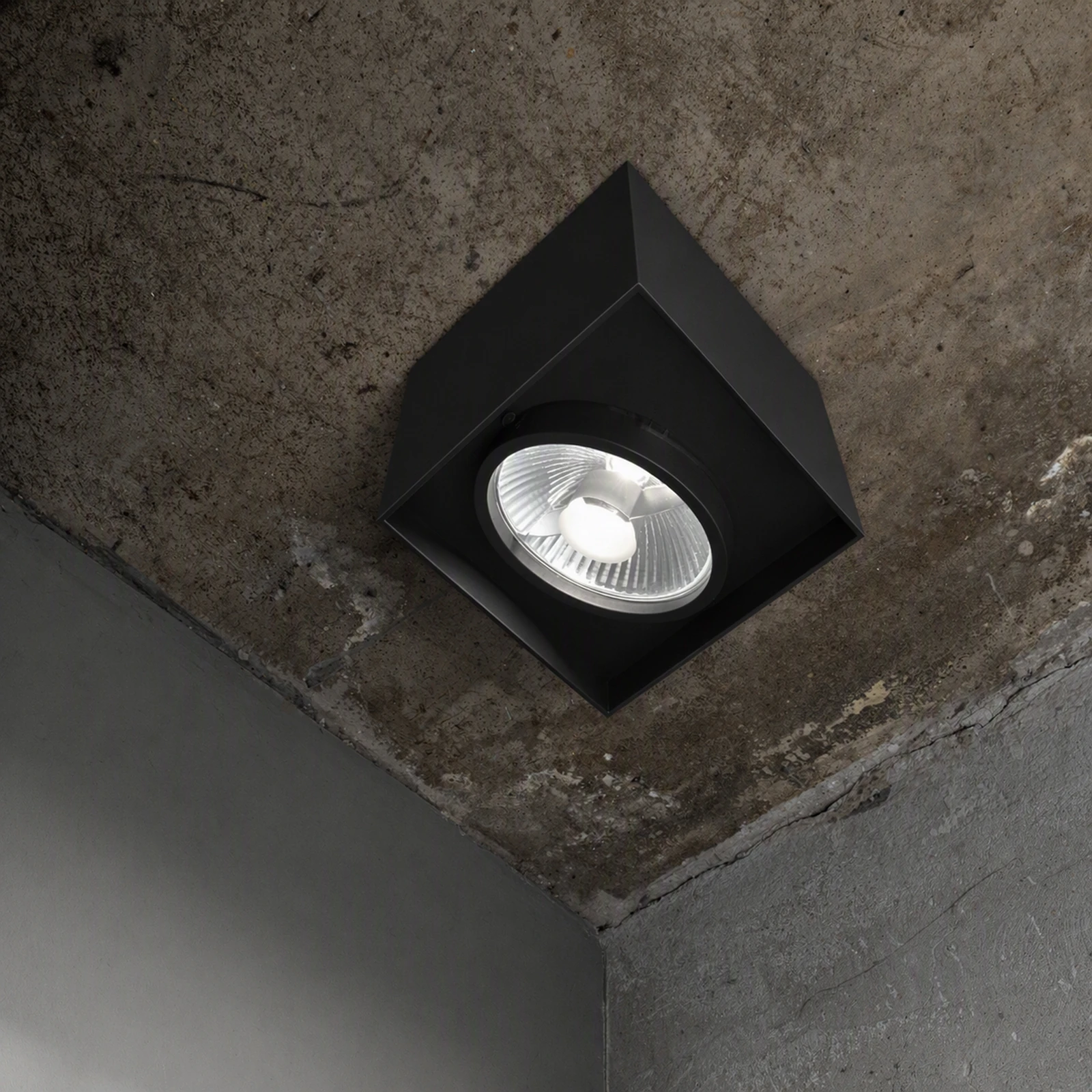
Put a floor lamp next to the reading chair, with the shade just above shoulder height when you are seated. Use a small spotlight or picture light for artwork or shelves. Accent light should be roughly three times brighter than what is around it to stand out.
Switching and dimming
Each layer should be on its own switch or dimmer. If you are rewiring, put the wall lights on a 5 A lamp circuit so table lamps switch on from the door. Check each fitting page for a dimmable driver or a dimmable bulb, and see our guide to bulb caps for compatible lamps.

Colour temperature
Keep every light in the room at the same colour temperature. 2700K warm white is the default for living rooms; mixing 2700K and 4000K makes walls look patchy.
Getting it right on a bigger project
For new builds, extensions and developments, the 299 Lighting design team can produce a full lighting layout and schedule. You can also see our completed projects.
Frequently asked questions
How many lights should a living room have?
Most living rooms need five to eight sources across three layers: one ceiling light, two to four wall lights or lamps, and one or two task or accent lights.
What colour temperature is best for a living room?
2700K warm white, used consistently for every fitting in the room.
How high should living room wall lights be?
Around 1.6–1.8 m from the floor to the centre of the fitting, which keeps the light source out of direct view when standing.