By James Batten, 299 Lighting · Published · Updated
In short
Choose wall lights by job: uplighter sconces for glow, up/down lights for walls, picture and mirror lights for detail, and swing arms for reading. Mount most at 150–170 cm.
Autumn has brought a familiar message from the interiors press: switch off the big light. Vogue's autumn trends round-up on 28 September suggested lamps instead of the main ceiling light on dark evenings, and picked out wall lights and uplighter sconces as an atmospheric way to light artwork, mirrors and forgotten corners (Vogue). Ideal Home reported on 1 October that 'Burrowcore', a cosy, layered-light look, is this season's microtrend, citing a trend expert who said Google searches for the term had risen 244.8% since the start of September (Ideal Home).
Wall lights are the easiest way to get that look without lamps on every surface. They light at eye level, free up tables and floor space, and make a room feel warmer than a single ceiling light ever can. This guide explains the main types, where to put them and what to check before you buy from our Ideal Lux wall lights.
Choose the wall light by the job
| Type | What it does | Best for |
|---|---|---|
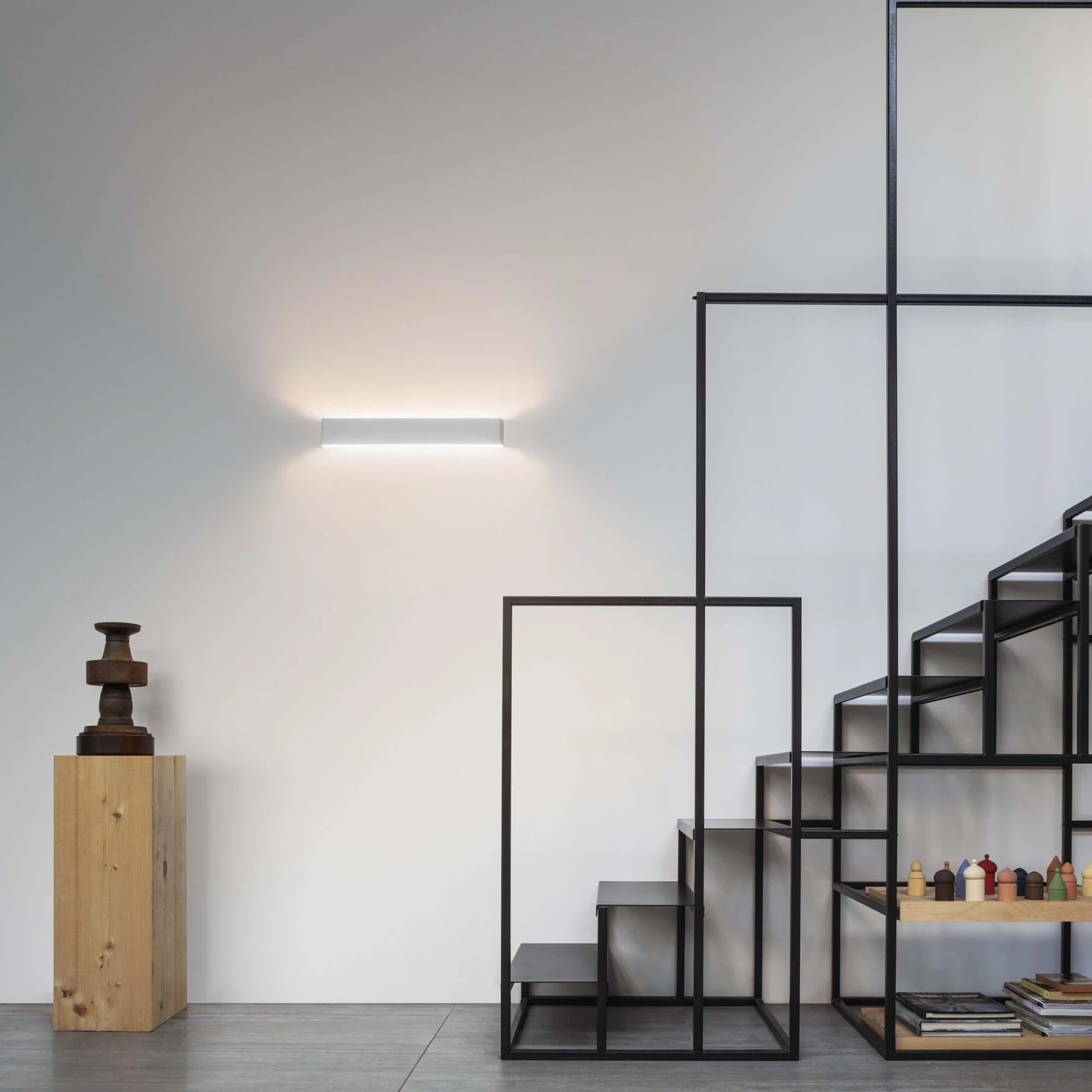
| Uplighter sconce | Throws light up the wall and onto the ceiling | Living rooms, hallways, dining rooms |
| Up and down light | Two beams that graze the wall | Modern rooms, either side of a fireplace or door |
| Glass or shaded wall light | Glows all round | Bedrooms, landings, cosy corners |
| Picture or display light | Narrow light onto artwork or shelves | Over paintings, prints and bookcases |
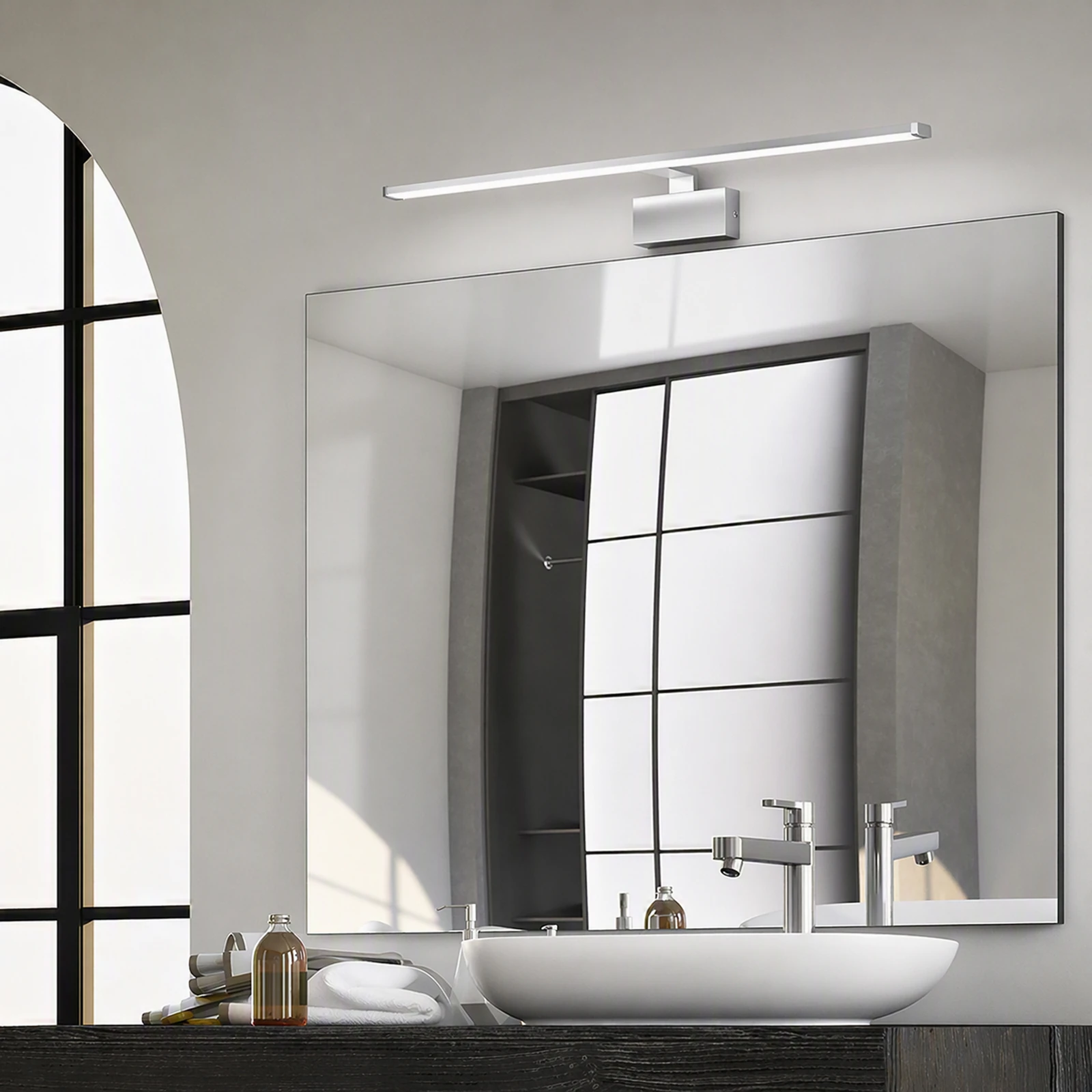
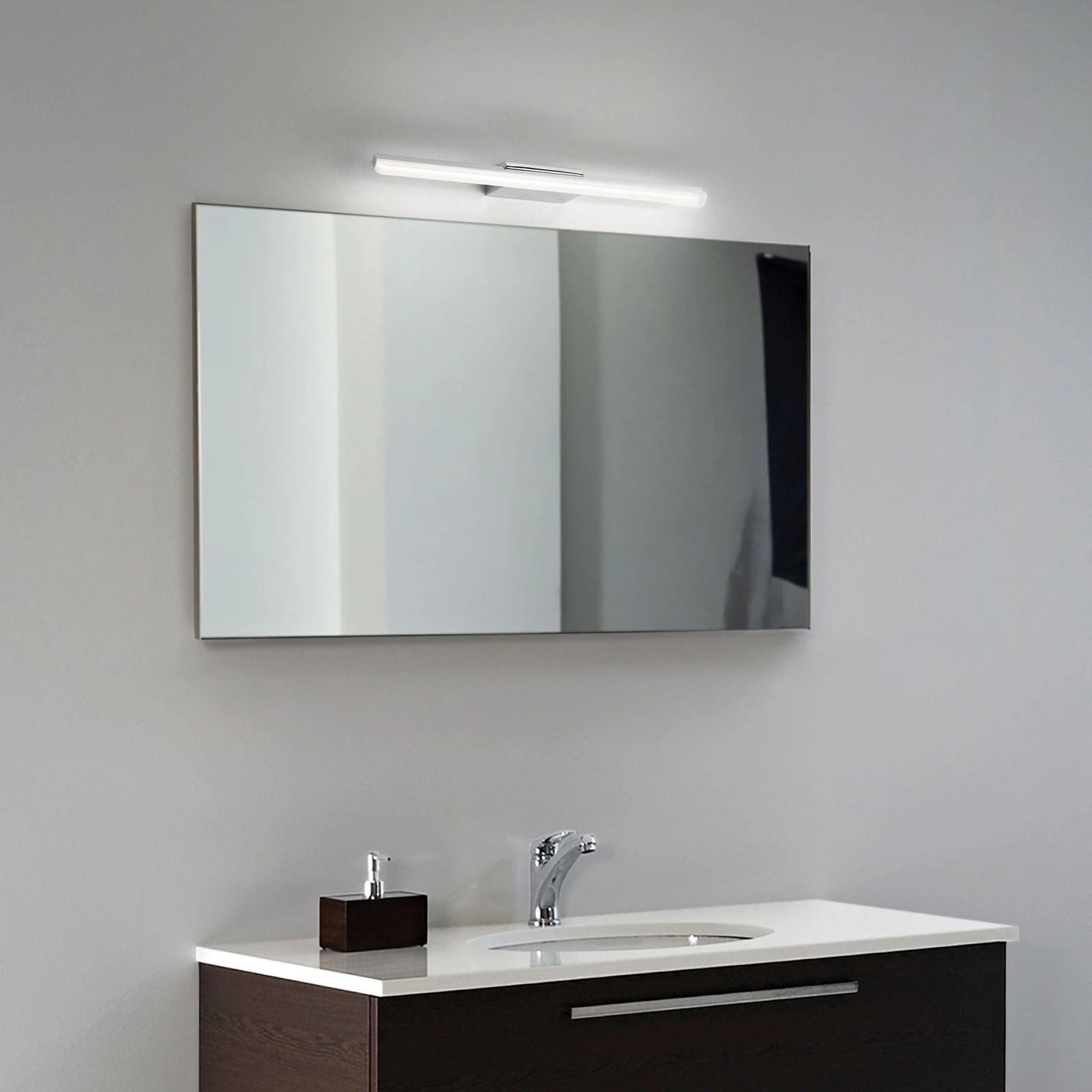
| Mirror light | Even light on the face | Bathrooms, dressing tables |
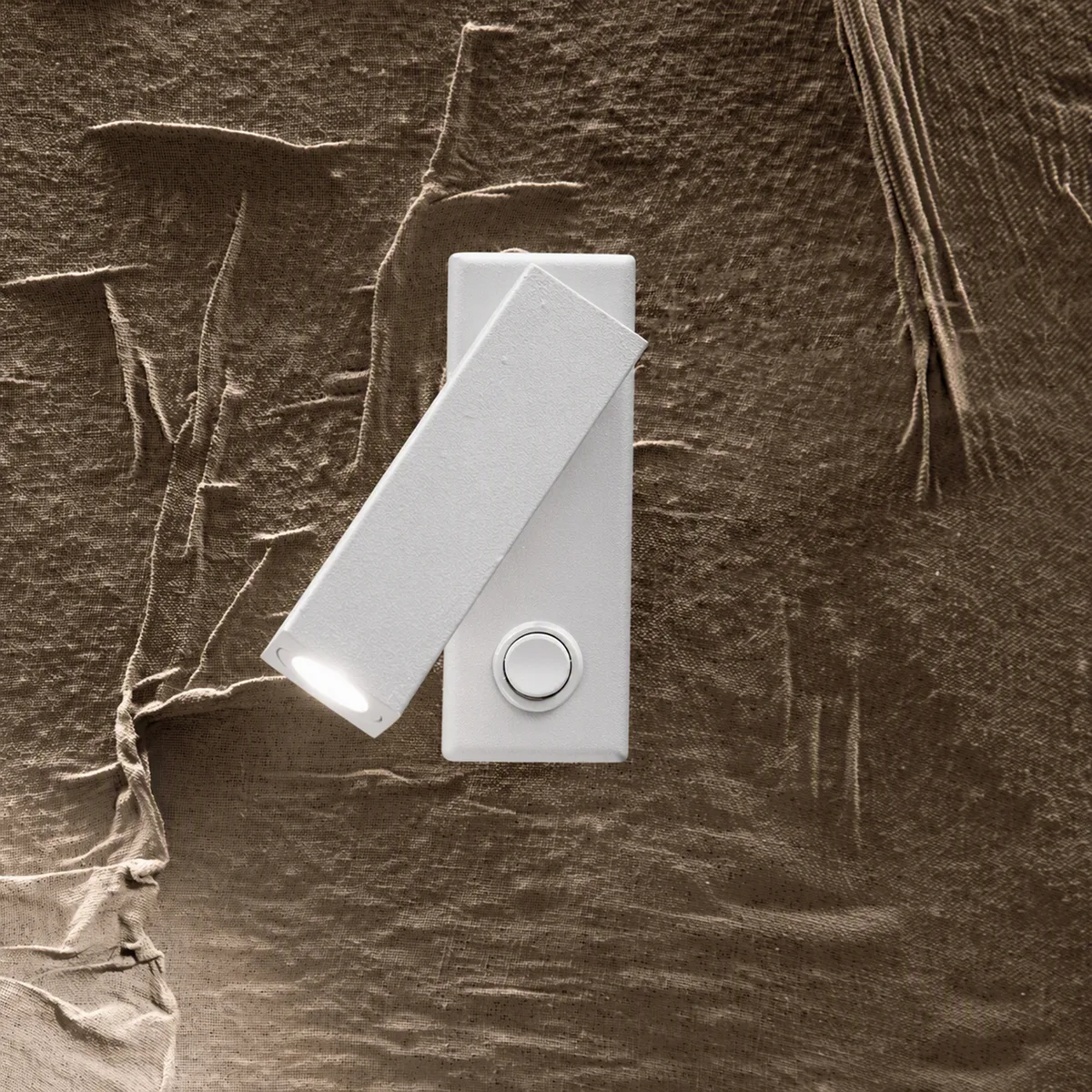
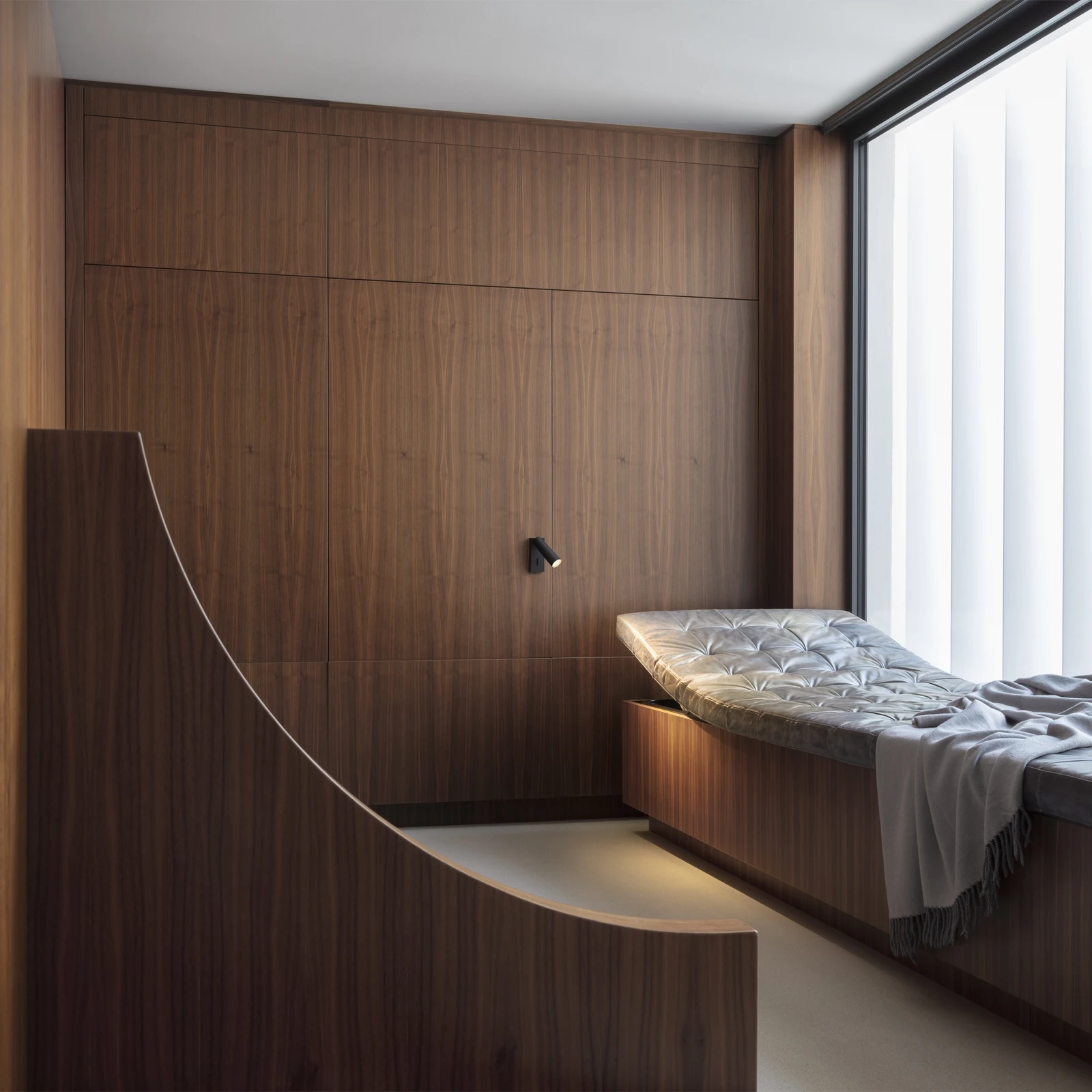
| Swing-arm or reading light | Directional light you can aim | Bedsides, reading chairs |
Where to mount wall lights
Heights are a starting point, not a rule. Check the fitting's shape: an uplighter can sit a little higher than a glass globe.
- Living rooms and hallways: around 150–170 cm from the floor to the centre of the fitting.
- Either side of a bed: 120–140 cm from the floor, or 60–75 cm above the mattress. See our bedroom lighting guide.
- Either side of a mirror: at roughly face height, about 150–170 cm.
- Over a picture: just above the frame, with the light reaching the full height of the artwork.
On long walls and corridors, space wall lights roughly 180–240 cm apart so the pools of light overlap a little. For staircases, see hallway and staircase lighting.
Get the glow right
The cosy look in this season's trend pieces comes from warm, soft light, not more light. Choose 2700K bulbs or integrated LED in living spaces and bedrooms, and put wall lights on a dimmer where the fitting allows it. Frosted or opal glass hides the bulb; clear and smoked glass looks beautiful but needs a decorative or frosted bulb to avoid glare. Our guides to 2700K vs 3000K and glass lampshades explain the choices.
Fittings to look at
- Equinoxe AP1 in graded amber glass for a warm, jewel-toned glow on a feature wall.
- Frida AP1 in burnished metal for a simple exposed-bulb look with a fabric cable.
- Newton AP1 for a classic shape that suits traditional and modern rooms.
- Mirror-10 AP4 in chrome, with four adjustable diffusers you can aim across a picture wall or shelves.
Check each fitting's page for the bulb type, finish and dimming information, and read light bulb caps explained before ordering lamps.
Bathrooms and outdoors
Wall lights near a bath or shower need a suitable IP rating for the zone; read bathroom lighting IP ratings. Outside, choose fittings rated for exterior use, usually IP44 or higher, and see outdoor wall lights and our outdoor range.
Wiring and installation
Most wall lights are hard-wired and need a cable to each position, which is easiest to add during redecoration. Use a qualified electrician; some electrical work in homes is notifiable under Part P of the Building Regulations. If you cannot chase cables into the wall, choose plug-in or rechargeable lamps instead, from our table lamps and floor lamps.
Put it all together
Wall lights work best as one layer of three: a soft ceiling light, wall lights at eye level and a few lamps low down. Our guide to layering a living room shows how to plan the circuits, and our guide to mixing metal finishes helps match wall lights to ceiling pendants.
Planning a larger project? 299 Lighting supplies decorative and architectural lighting for homes, hotels and developments. For recessed spotlights in the same rooms, see adjustable downlights; for hidden lines in joinery and ceilings, trimless lighting for high-end homes; and for wall lights on commercial projects, the 299 Lighting wall light range. Talk to the 299 Lighting team about schedules, samples and lead times, or send us an enquiry.
Frequently asked questions
How high should wall lights be mounted?
In living rooms and hallways, about 150–170 cm from the floor to the centre of the fitting. Beside a bed, 120–140 cm from the floor.
How far apart should wall lights be?
On a long wall or corridor, roughly 180–240 cm apart so the pools of light overlap slightly. Either side of a mirror, bed or fireplace, keep them symmetrical.
What is an uplighter wall light?
A sconce that sends light up the wall and onto the ceiling, giving a soft indirect glow without glare.
Do I need an electrician to fit wall lights?
For hard-wired wall lights, yes. Some domestic electrical work is notifiable under Part P, and a qualified electrician can advise and certify it.
Which bulb is best for cosy wall lighting?
A warm 2700K bulb or integrated LED, on a dimmer, with frosted or opal glass if the shade is open.