By James Batten, 299 Lighting · Published · Updated
In short
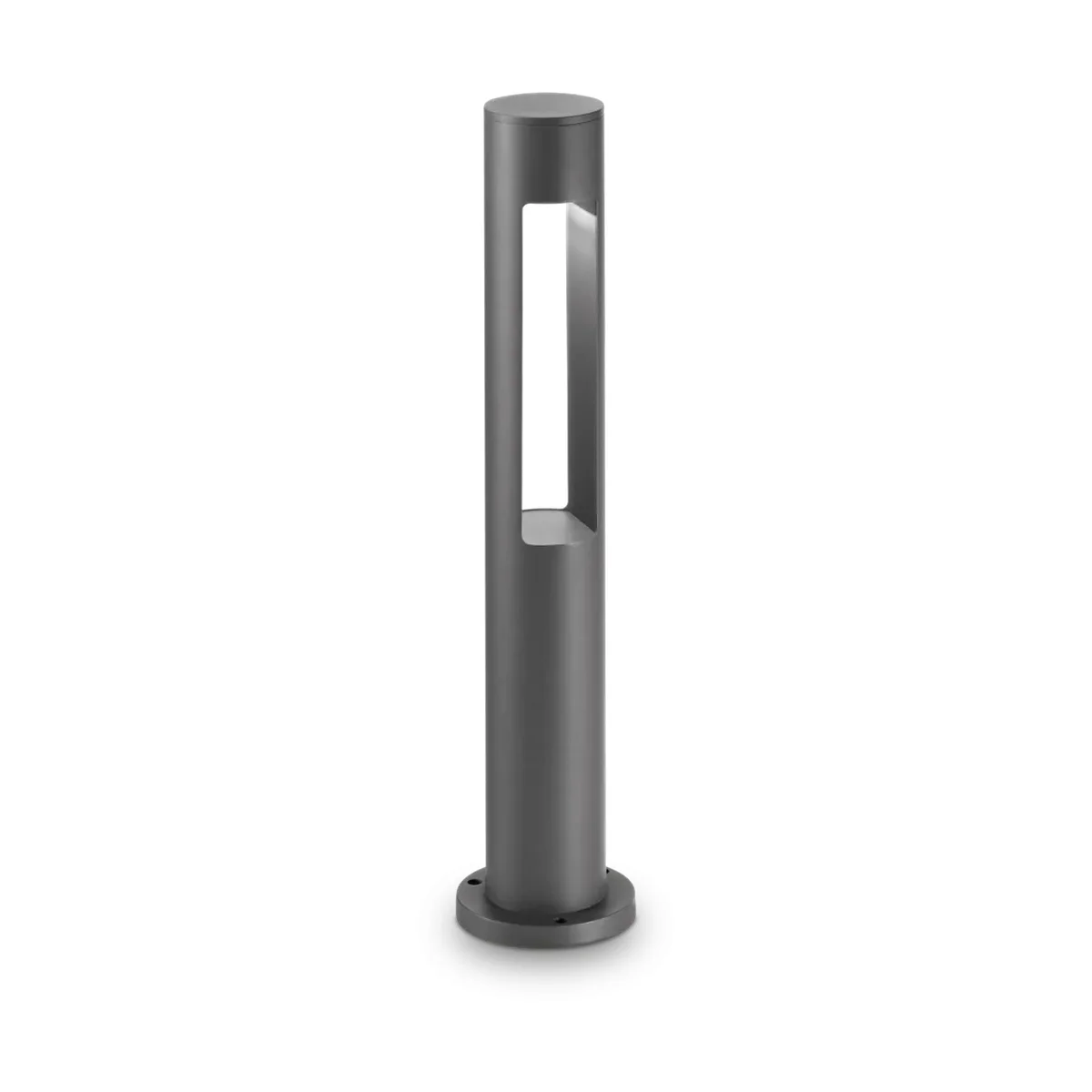
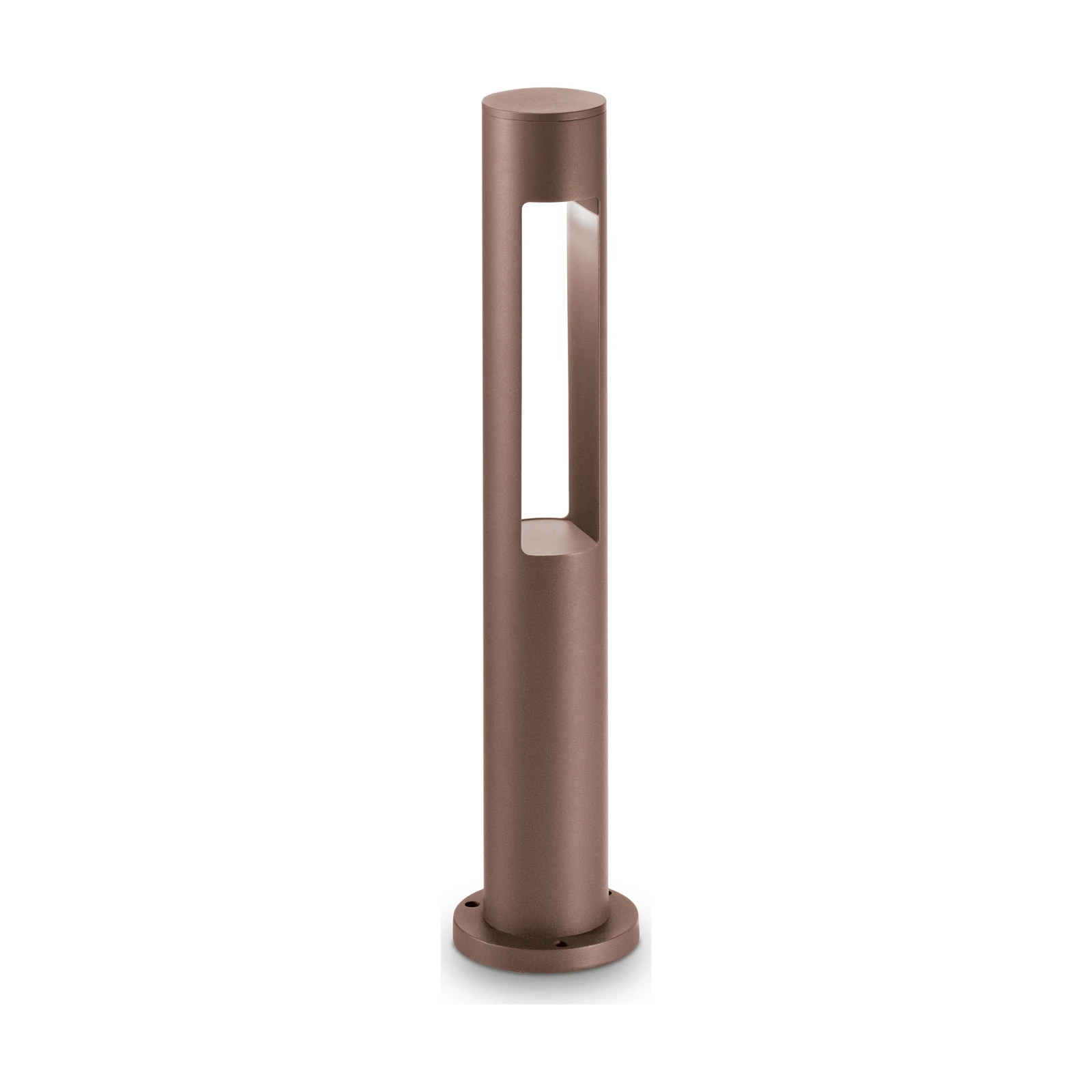
Space short bollards about 2–4 m apart and taller bollards 4–6 m apart so the pools of light just meet, and stagger them on alternate sides of wide paths.
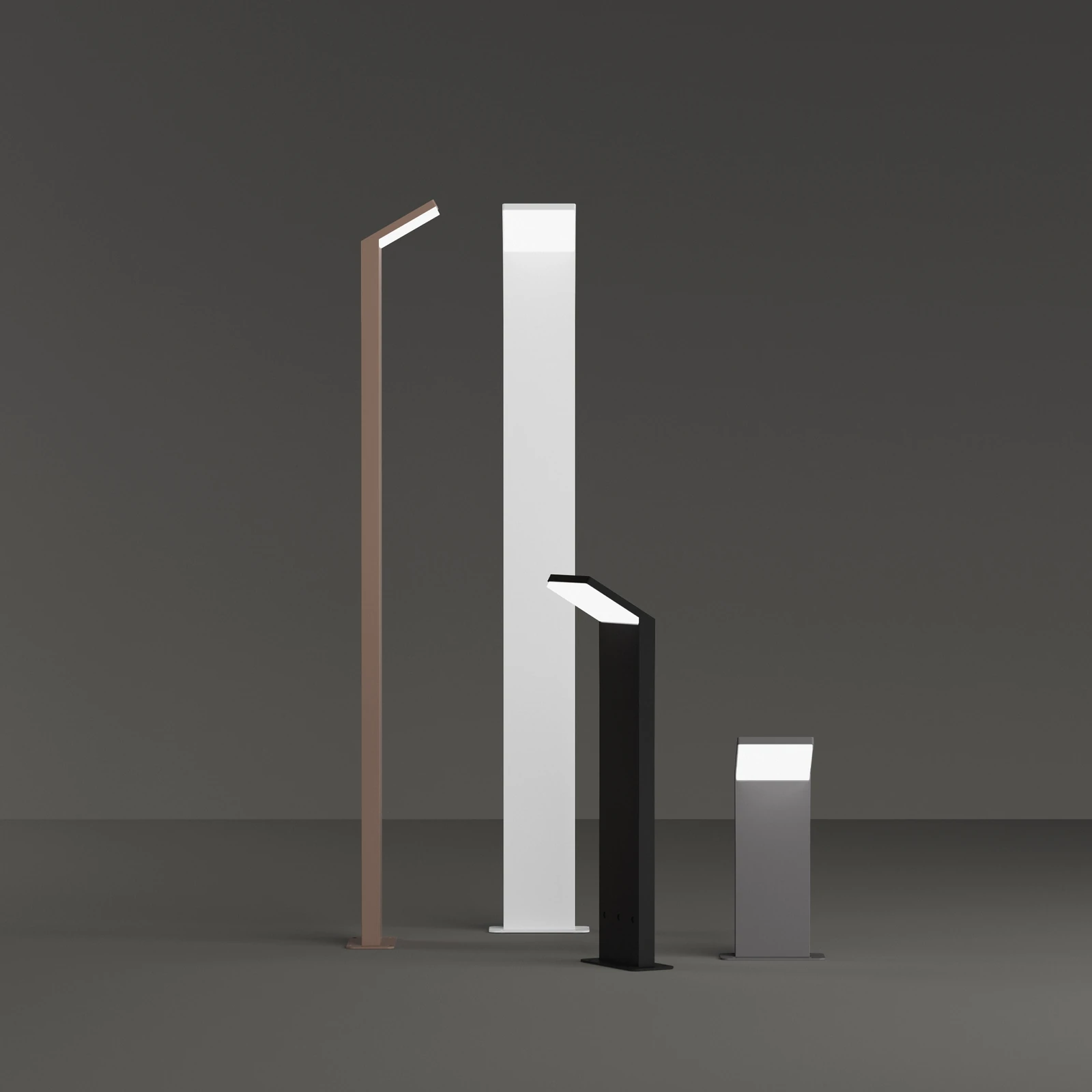
Bollards guide people safely without flooding a garden with light. Spacing, height and glare matter more than raw brightness.
Spacing
| Bollard height | Typical spacing | Best for |
|---|---|---|
| Under 50 cm | 2–4 m | Borders, steps, narrow paths |
| 50–80 cm | 3–5 m | Garden paths, patios |
| Over 80 cm | 4–6 m | Driveways, larger landscapes |
The aim is that each pool of light just meets the next. Wider light distribution allows wider spacing; check the product photometry if you need an exact layout.
Which side of the path?
On a path under 1.5 m wide, one side is enough. On wider paths and driveways, stagger bollards on alternate sides so the light looks even.

Height and glare
Short bollards keep the light low and out of people's eyes. Choose bollards that direct light downwards, especially near windows and neighbours, to cut glare and light spill.
IP rating and finish
IP44 is the minimum outdoors, but IP54 or IP65 is better for exposed sites. Every Ideal Lux bollard page shows the IP rating from the technical sheet. See all bollard lights and IP65 bollards.

Colour temperature and controls
3000K warm white suits gardens and homes; 4000K suits commercial sites. Use a photocell or timer so bollards switch on at dusk.
Installation
Bollards need a solid base and armoured or ducted cable. All outdoor circuits should be RCD-protected and installed by a qualified electrician.
Frequently asked questions
How far apart should bollard lights be?
About 2–4 m for short bollards and 4–6 m for taller ones, so the pools of light just meet.
What height bollard should I use for a garden path?
50–80 cm suits most garden paths; under 50 cm for borders and steps.
Should bollards go on both sides of a driveway?
On wide driveways, stagger them on alternate sides for an even light.