By James Batten, 299 Lighting · Published · Updated
In short
Light a garden in zones: wall lights at doors, bollards or low path lights every 2–3 m along walkways, spike lights to uplight trees and planting, and keep everything IP44 or above with warm 2700–3000K light.

Good garden lighting extends the use of outdoor space into the evening and makes a home safer. It is about pools of light, not floodlighting everything.
Doors and terraces
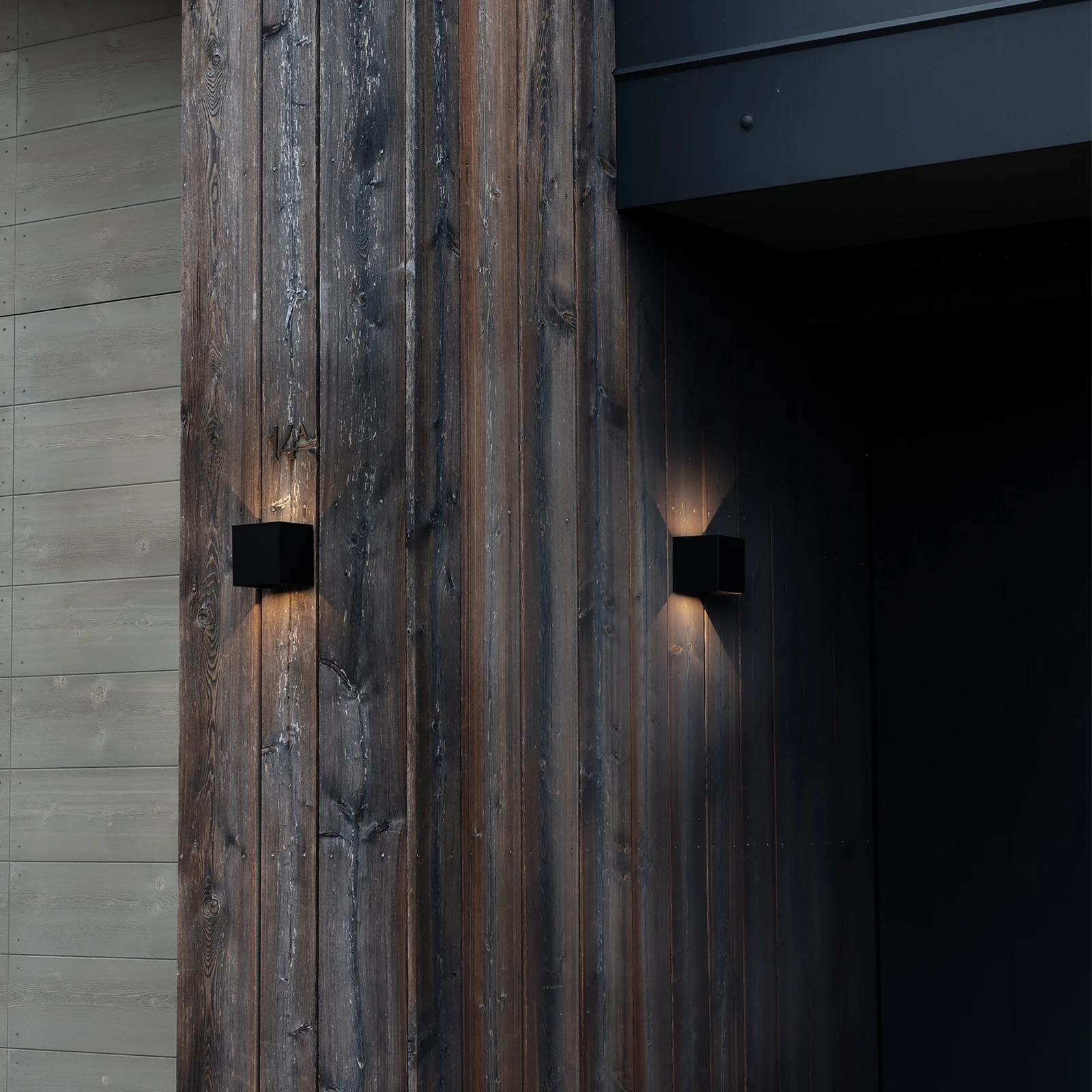
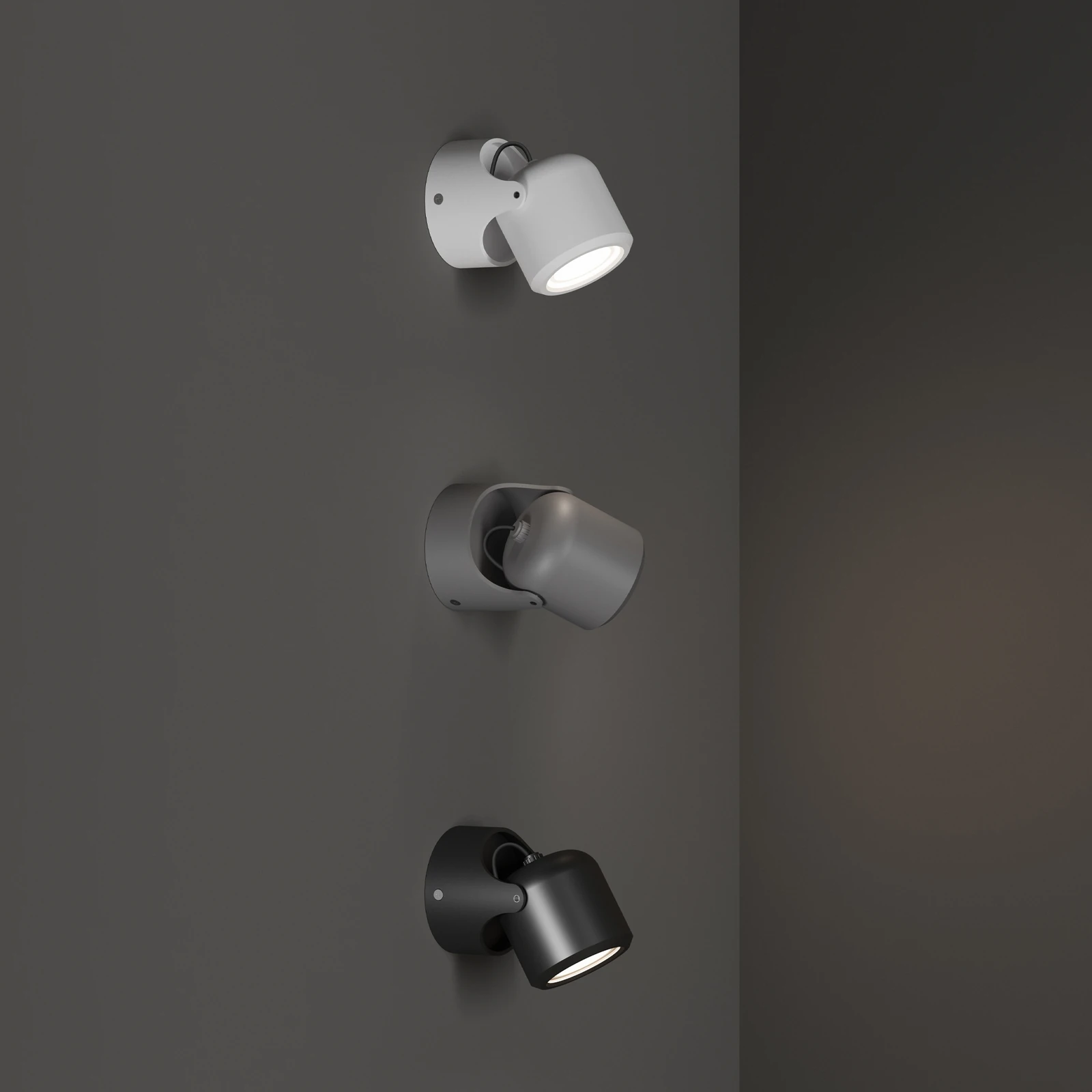
Fit an outdoor wall light beside every external door. On terraces, wall lights every 2–3 m or a few up/down lights give enough light to eat and sit.
Paths and drives
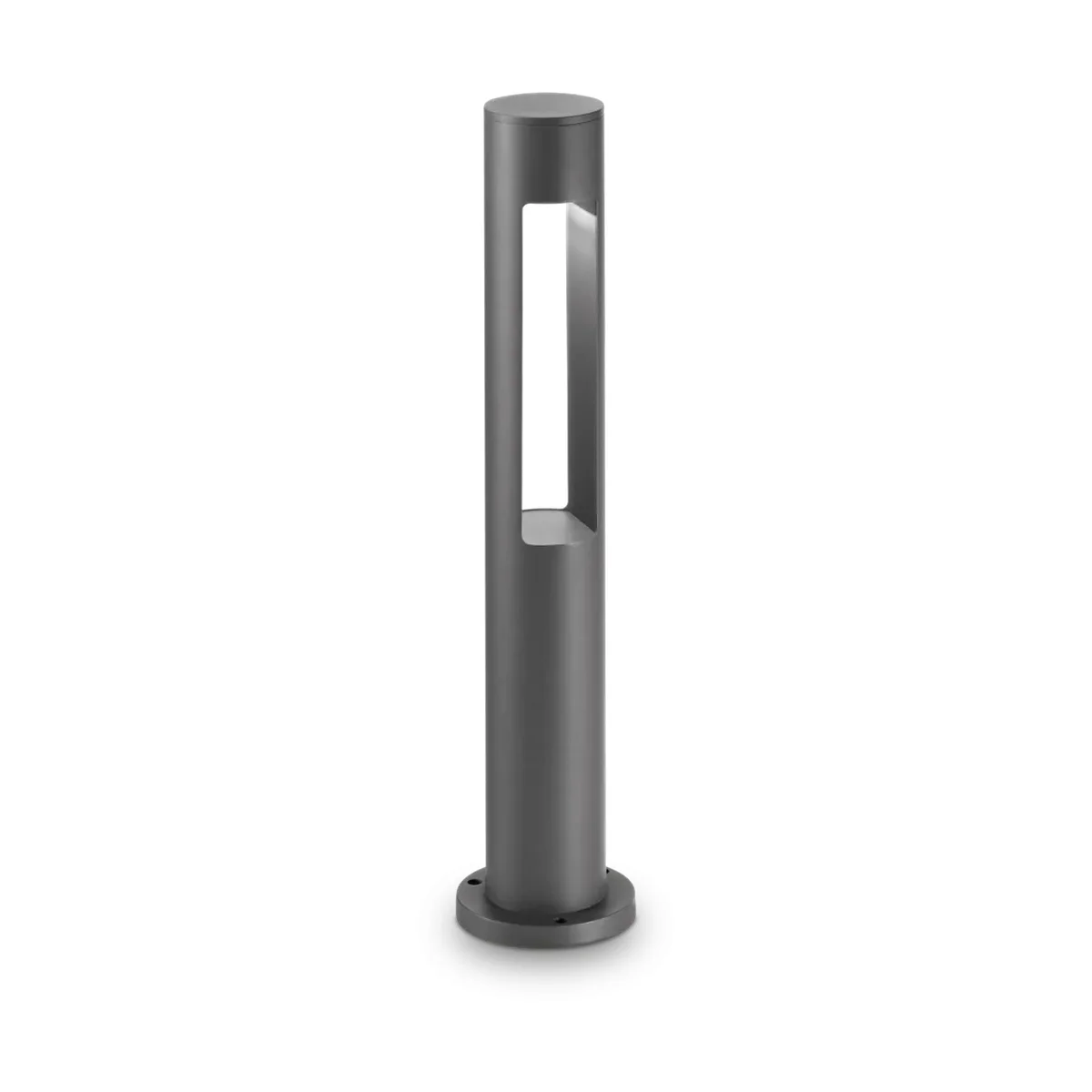
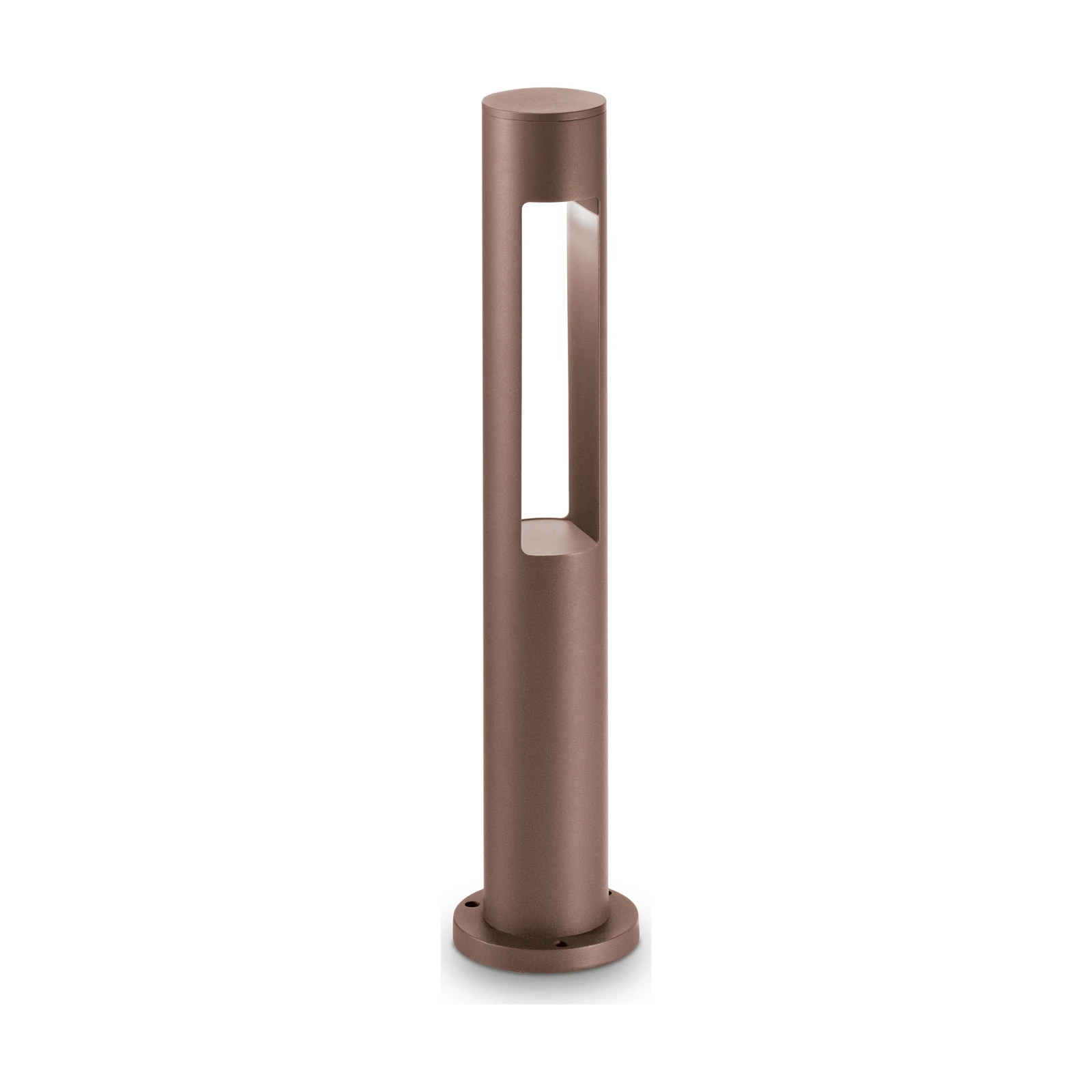
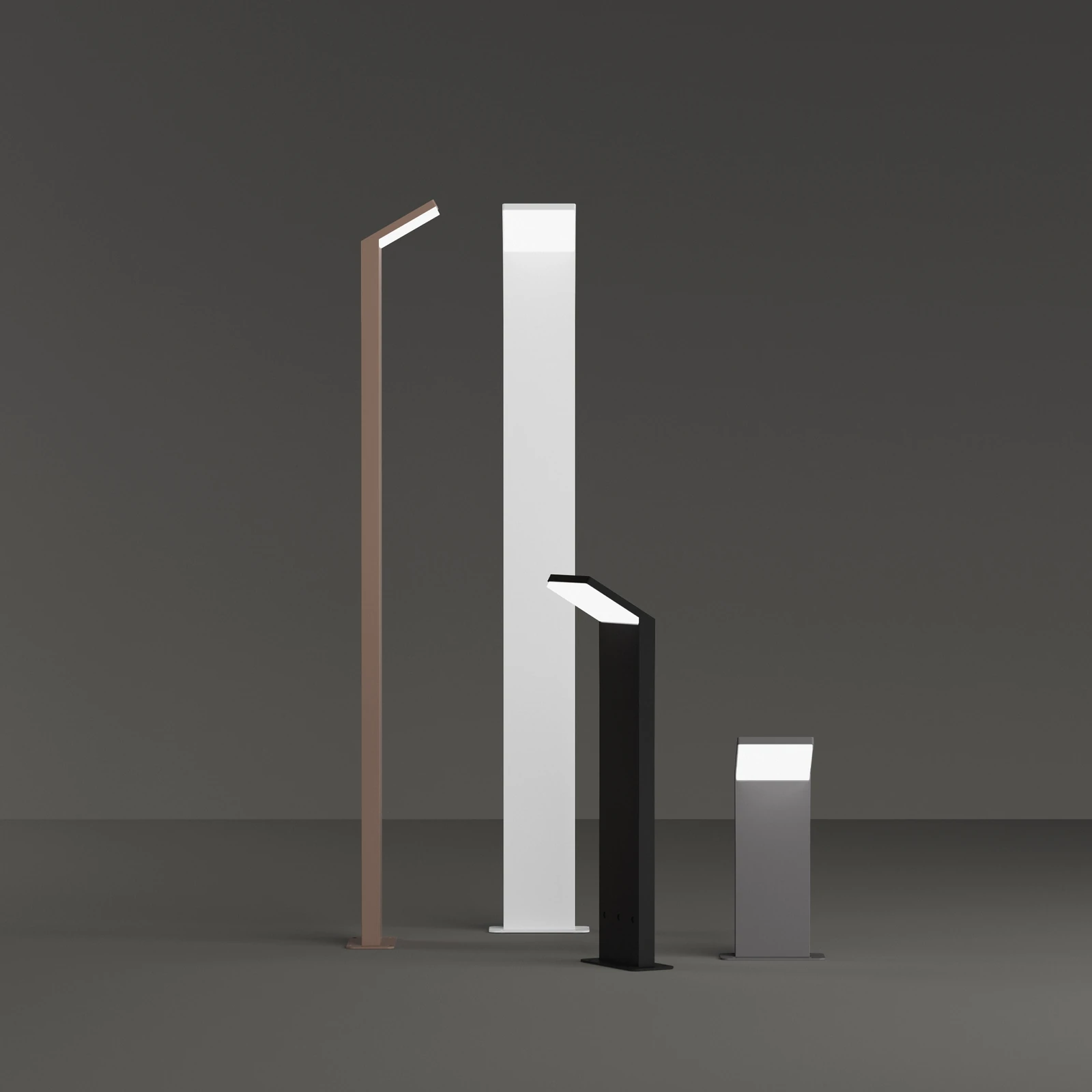
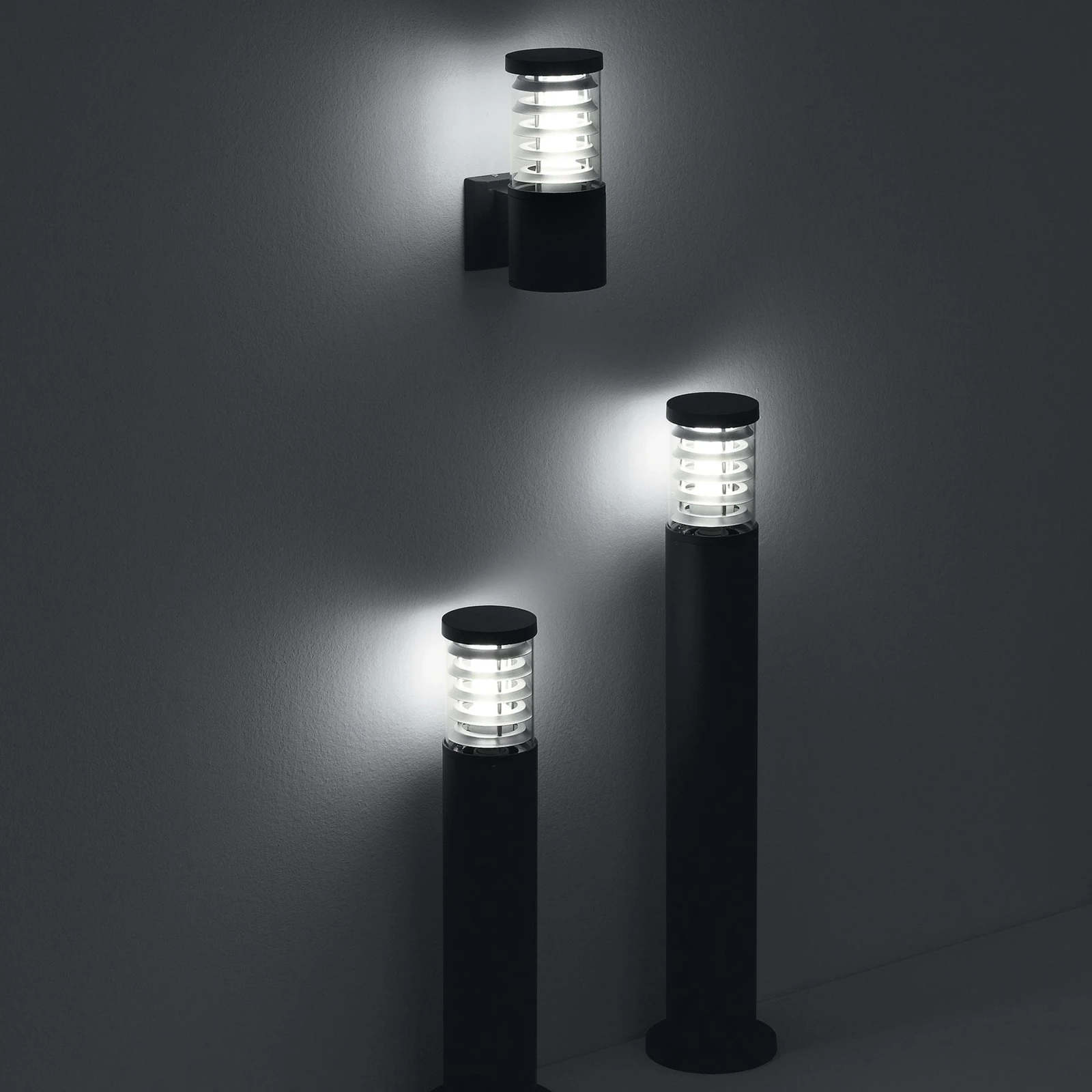
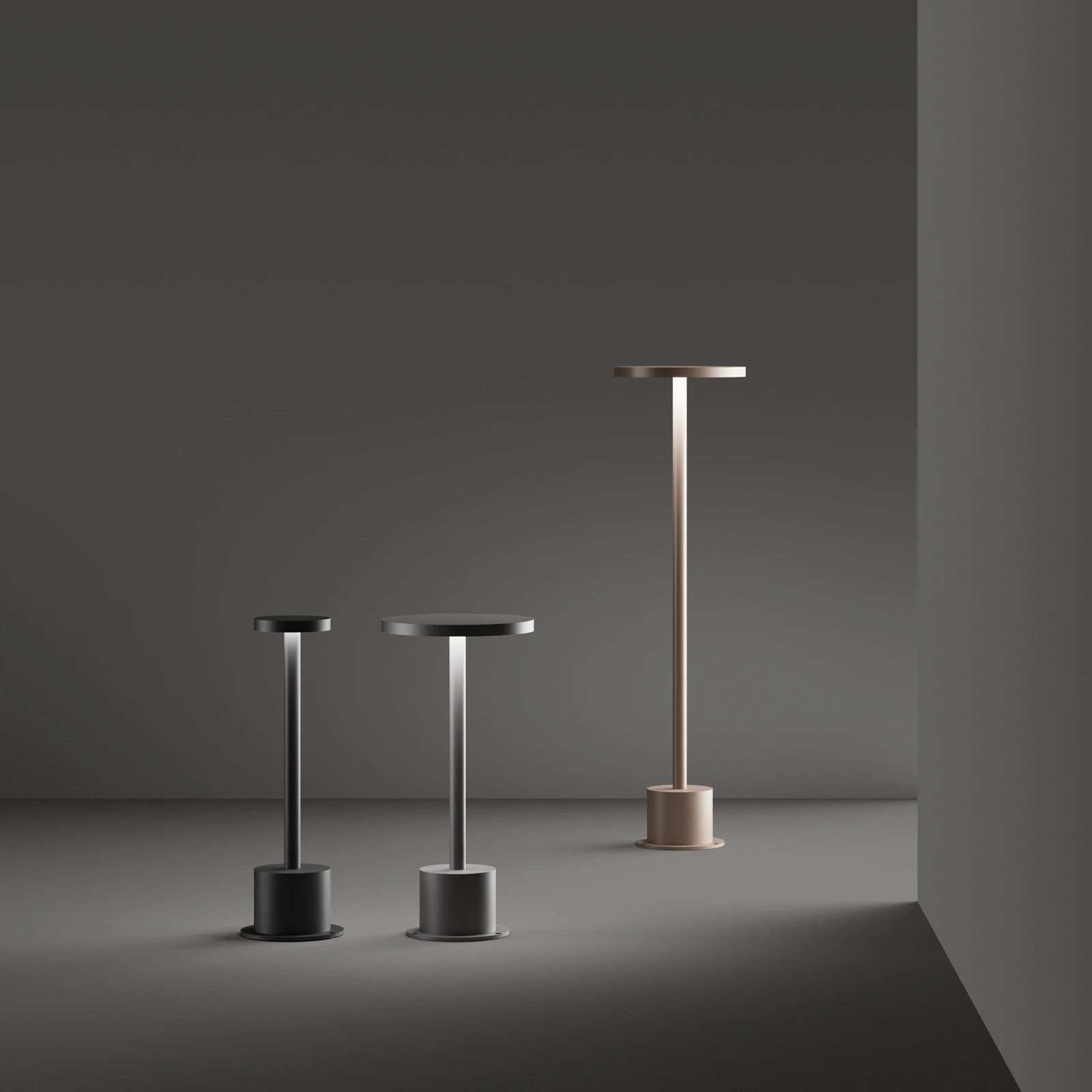
Bollards and low path lights should be spaced every 2–3 m, staggered on either side for wide paths. Keep the light low and pointed down so it does not dazzle. Use IP54 or higher at ground level.
Trees and planting
Spike lights pushed into borders can uplight trees, hedges and sculptures. One or two per tree is usually enough. Narrow beams suit tall slender trees; wide beams suit broad shrubs.
Ratings and finishes
- IP44 minimum for anything outdoors; IP65 for exposed and ground-level fittings.
- Anthracite and black finishes disappear into planting at night.
- Choose die-cast aluminium or stainless parts near the coast.
Browse outdoor lighting and filter by IP rating.
Wildlife and neighbours
Use warm light (2700–3000K), point it down, and use timers or sensors. It saves energy and is kinder to bats, insects and neighbours.
Larger schemes
For developments, hotels and commercial landscapes, the 299 Lighting design team can produce a full external lighting layout.
Frequently asked questions
How far apart should garden bollards be?
About 2–3 m apart along paths.
What IP rating do garden lights need?
At least IP44, and IP65 for ground-level and exposed fittings.
What colour light is best for gardens?
Warm white, 2700–3000K, which flatters planting and is better for wildlife.